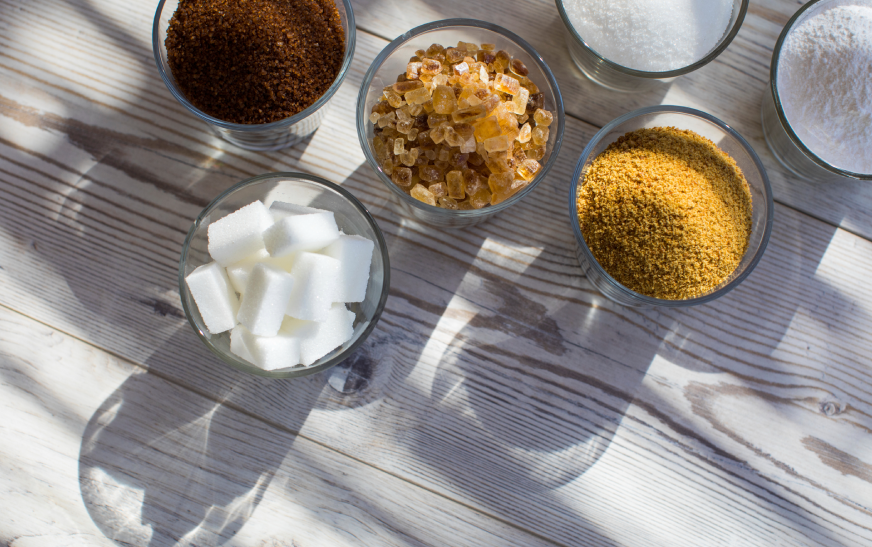
Hidden Non-Halal Ingredients You Must Avoid

Eating halal is about more than just avoiding pork or alcohol. Many processed and packaged foods contain hidden ingredients that may be haram (forbidden) or doubtful (mashbooh). These hidden ingredients can appear in everyday items like snacks, desserts, medicines, and even cosmetics. Understanding what to watch for is essential for
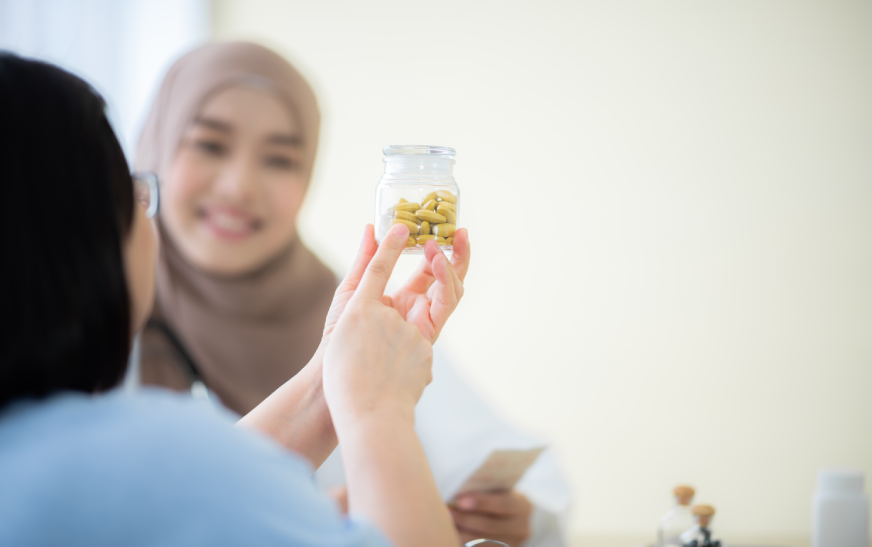
How to Choose Halal Certified Vitamins
Vitamins and supplements can support health, boost immunity, and fill nutritional gaps. However, for Muslims, it’s important to ensure that these products are halal-certified to align with dietary laws and faith-based practices. Many vitamins contain ingredients like gelatin, alcohol-based coatings, or animal derivatives that may not be halal. Choosing halal-certified

Top Halal Supplements for Immune Support
A strong immune system is the body’s first line of defense against infections and illnesses. While a balanced diet, proper sleep, and regular exercise are key, halal-certified supplements can provide an extra boost, especially when certain nutrients are lacking in your daily meals. Choosing halal supplements ensures compliance with Islamic
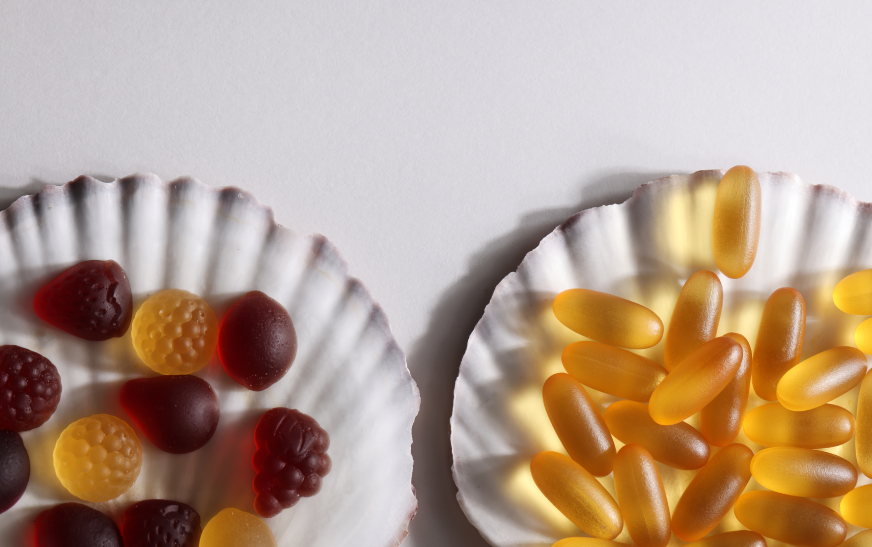
Are Your Capsules Really Gelatin-Free?
When it comes to vitamins and supplements, gelatin is a common ingredient used in capsules and softgels. However, not all gelatin is halal. Many capsules are made from porcine (pork) or non-halal bovine sources, which are forbidden in Islam. For Muslims, ensuring that your supplements are truly gelatin-free or halal-certified
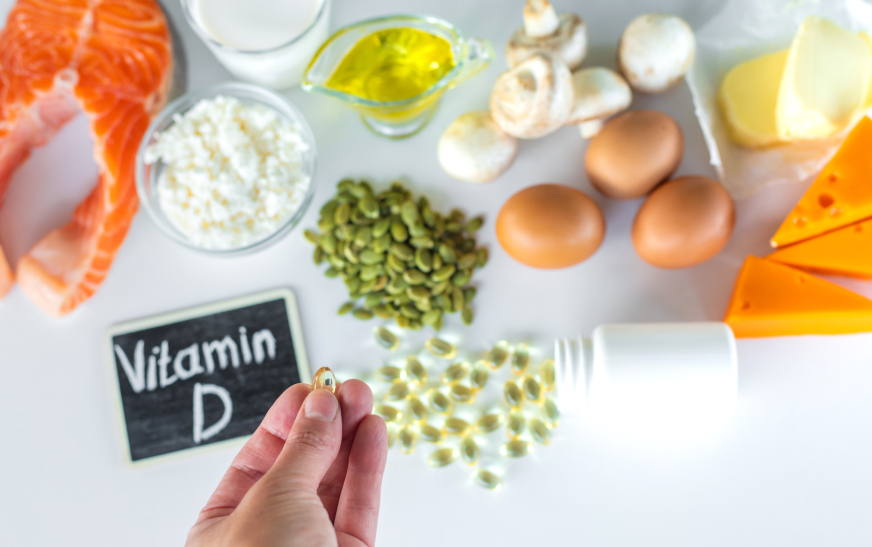
Vitamin D & C: Why Muslims Need Them
Vitamins are essential for overall health, immunity, and wellbeing. Among them, Vitamin D and Vitamin C play a critical role in supporting the immune system, bone health, and energy levels. For Muslims, deficiencies can be more common due to lifestyle, diet, and geographic factors, making supplementation with halal-certified vitamins an