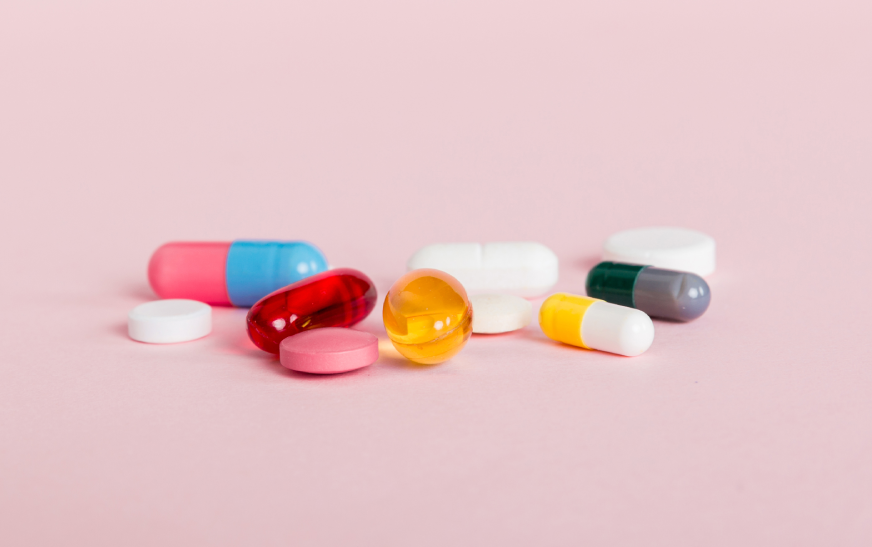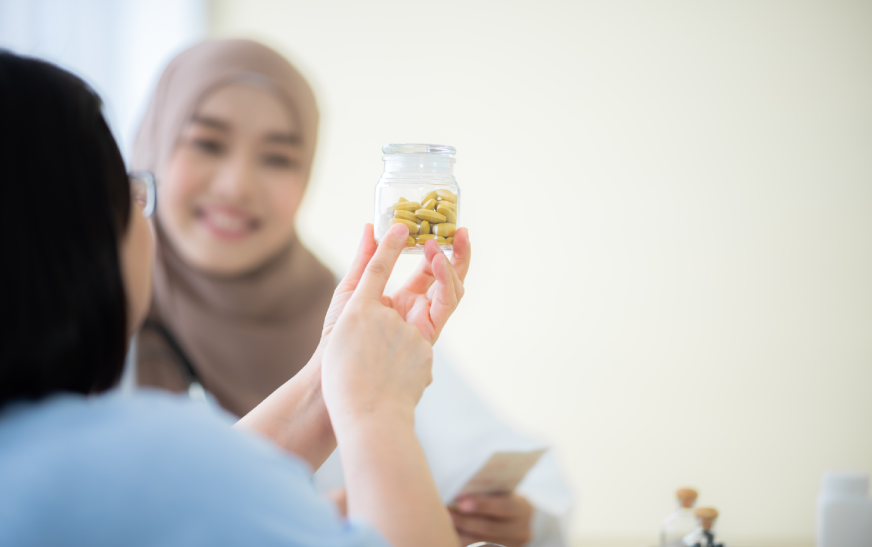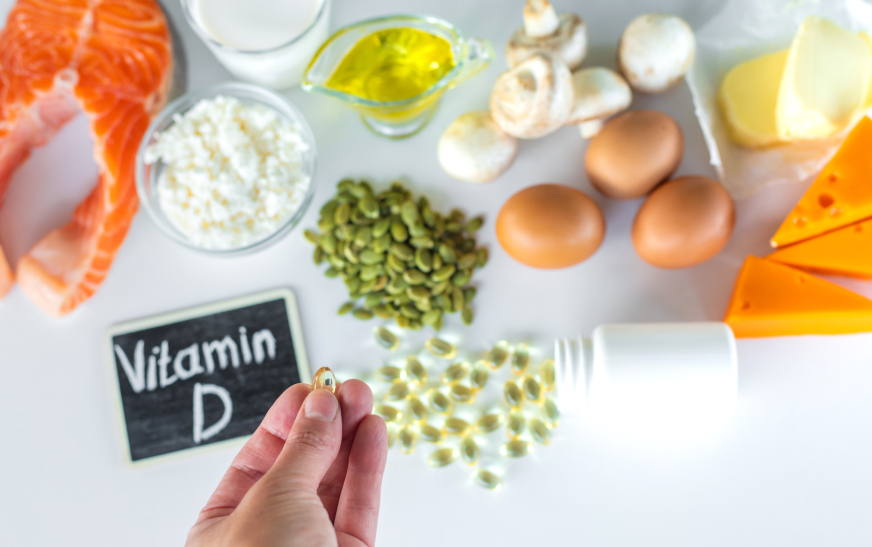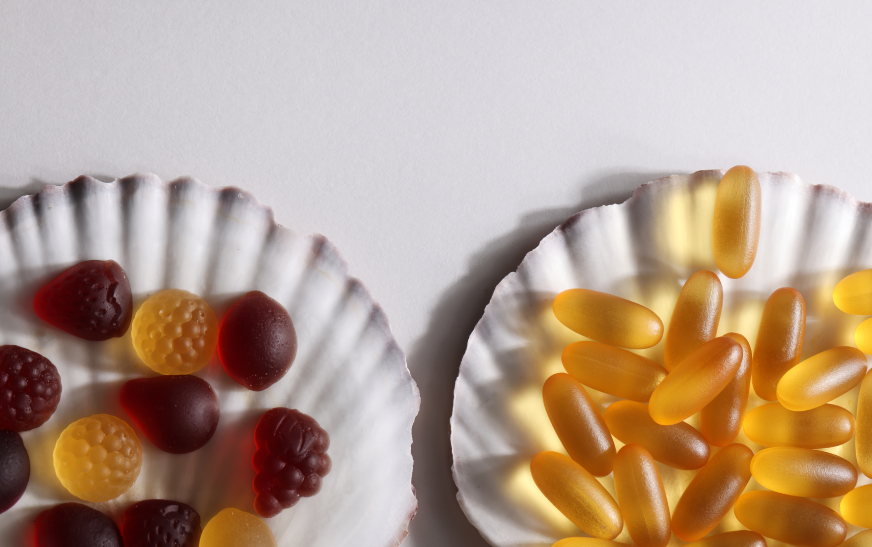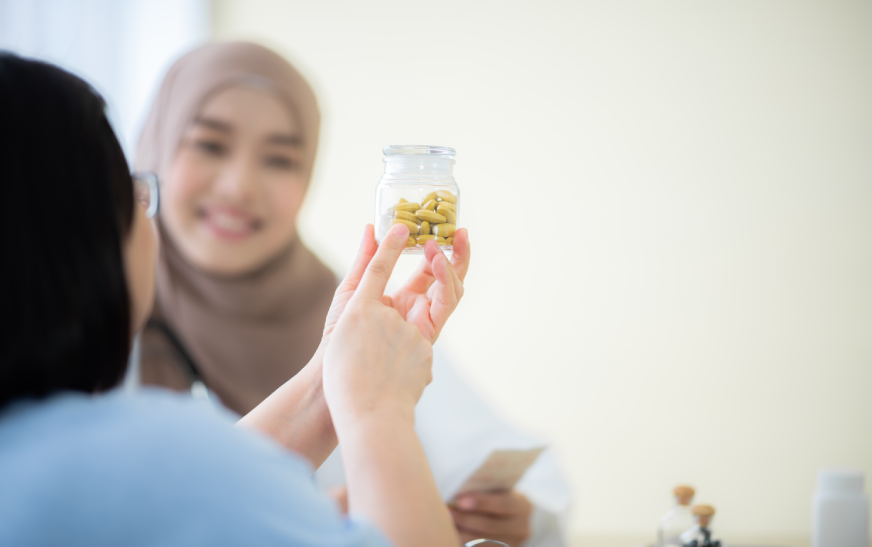

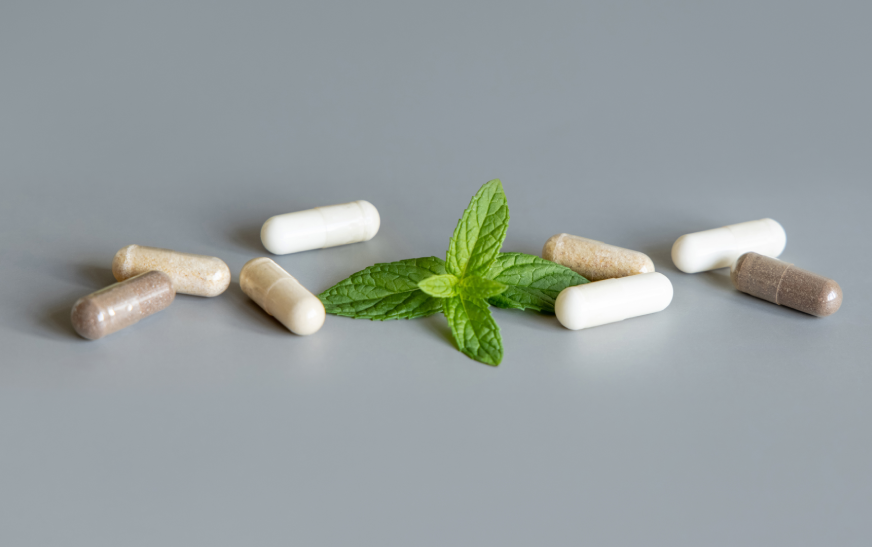
For Muslims, ensuring that supplements, vitamins, and medications are halal-compliant is essential. Many capsules and tablets contain gelatin or other non-halal ingredients, making it crucial to find halal alternatives. This guide explores practical options for replacing common capsules with halal-certified, gelatin-free solutions.
1. Why Halal Alternatives Matter
Many standard capsules are made from:
- Animal gelatin – often sourced from pork or non-halal beef
- Animal-derived fillers – stearic acid, glycerin, or enzymes
- Alcohol-based coatings – used in liquid medicines or syrups
Concerns for Muslims:
- Consuming non-halal capsules violates dietary laws
- Hidden ingredients can make even seemingly halal products impermissible
Tip: Choosing halal alternatives ensures faith-compliant, safe supplementation.
2. Plant-Based Capsules
Plant-based capsules are one of the most common halal alternatives.
Types:
- HPMC (Hydroxypropyl Methylcellulose): Derived from cellulose, stable, easy to digest
- Agar-Agar: Made from seaweed, naturally gelling
- Starch or Pullulan Capsules: Derived from corn or tapioca
Benefits:
- 100% halal, vegan, and allergen-friendly
- Suitable for powders, oils, herbal extracts, and probiotics
- Easy to swallow and digest
Tip: Many top halal supplement brands now use plant-based capsules exclusively.
3. Soft Gel Alternatives
Soft gels are often made with animal gelatin, but halal soft gel alternatives exist:
- Vegan soft gels: Made from plant-derived gelatin substitutes
- HPMC-based soft gels: Encapsulate oils like omega-3 or herbal extracts
- Transparent halal labeling: Ensures authenticity and compliance
Tip: Vegan soft gels provide the same nutrient absorption and stability as traditional gelatin soft gels.
4. Liquid Formulations
Some vitamins or supplements come in liquid form, avoiding capsules altogether:
- Syrups: Halal-certified, alcohol-free options
- Liquid drops: Ideal for children or adults with swallowing difficulties
- Powder-to-liquid mixes: Dissolve in water or juice for halal-friendly consumption
Tip: Liquid and powder formulations are excellent alternatives for families and children.
5. Tablet Alternatives
Tablets can also contain non-halal ingredients, but halal-certified options are available:
- Halal binders and fillers: Plant-derived or synthetic alternatives
- Sugar-coated or film-coated tablets: Using halal-certified coatings
- Age-specific formulations: Adults, women, and children
Tip: Verify halal certification even for tablets, as coatings may contain hidden non-halal substances.
6. How to Choose the Right Halal Alternative
- Check Certification: IFANCA, JAKIM, HFA, or other trusted halal authorities
- Read Ingredients Carefully: Look for gelatin-free, plant-based, or HPMC capsules
- Consider Form Preferences: Capsules, soft gels, liquids, or tablets
- Consult Healthcare Professionals: Ensure dosage and formulation meet health needs
- Stick to Trusted Brands: Verified halal brands reduce risk of hidden non-halal ingredients
Tip: Combining careful selection with a balanced diet ensures holistic wellness.
7. Benefits of Halal Capsule Alternatives
- Spiritual Compliance: Peace of mind when taking supplements or medications
- Health-Friendly: Plant-based alternatives are often easier to digest
- Vegan & Ethical: Supports ethical consumption and reduces animal exploitation
- Family-Safe: Suitable for children and adults alike
Tip: Halal alternatives allow Muslims to maintain health without compromising faith.
8. Practical Tips for Daily Use
- Keep a list of halal-certified supplements for easy reference
- Rotate capsule types (plant-based, soft gels, liquids) as needed
- Pair supplements with nutrient-rich foods to maximize effectiveness
- Store capsules and tablets in a cool, dry place to preserve potency
Tip: Consistency and informed choices are key to long-term wellness.
9. Final Thoughts
Halal alternatives to common capsules provide safe, effective, and faith-compliant options for supplements, vitamins, and medications. By choosing plant-based capsules, vegan soft gels, liquids, or halal-certified tablets, Muslims can:
- Maintain spiritual integrity while taking supplements
- Support immunity, energy, and overall wellness
- Avoid hidden non-halal ingredients in daily medicines
Combining halal alternatives with a balanced diet, hydration, and healthy lifestyle habits ensures a holistic approach to health that nourishes both body and soul.