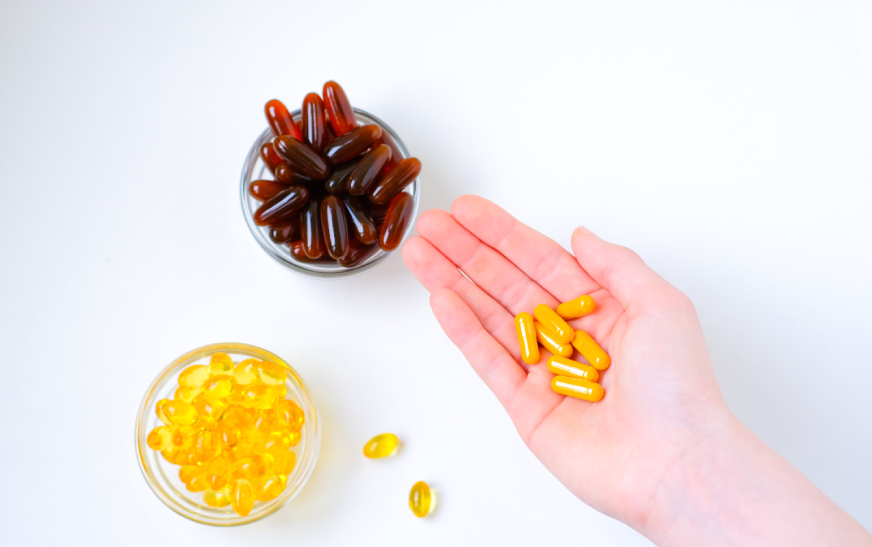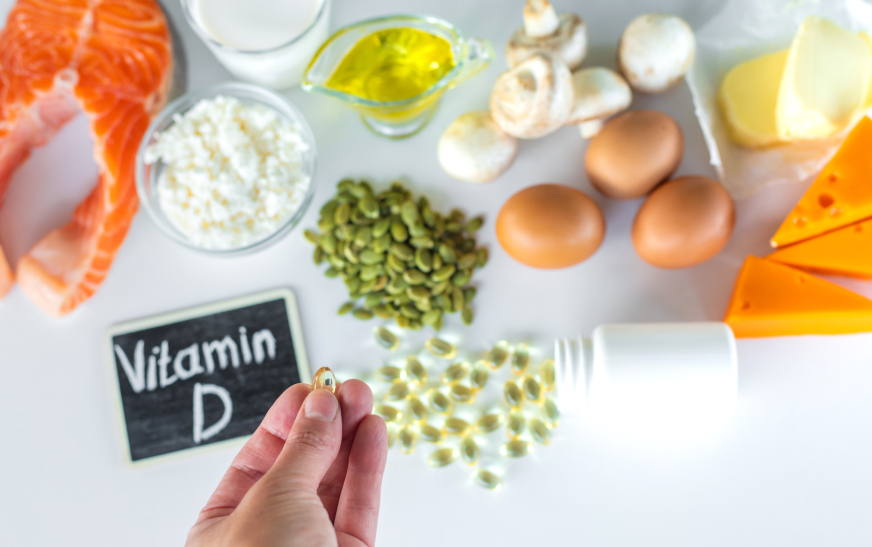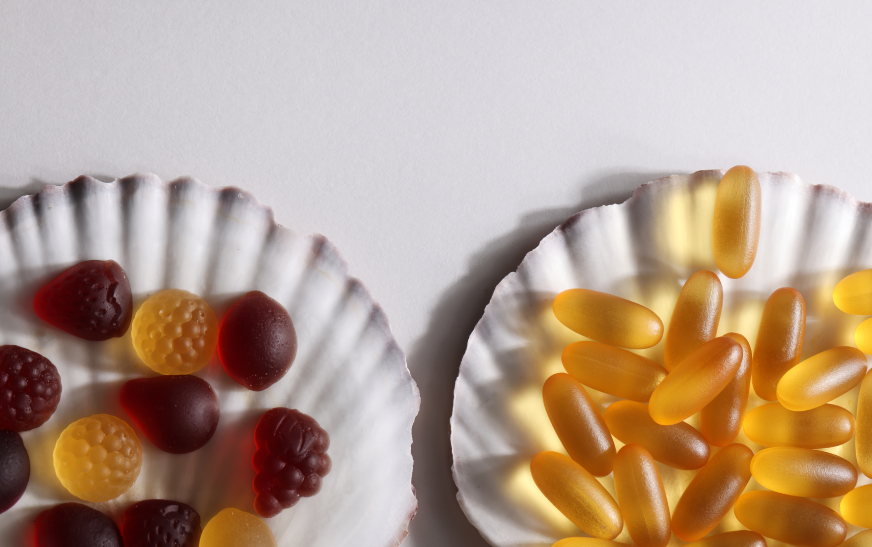


For Muslims, maintaining halal dietary compliance extends beyond food to medications, supplements, and vitamins. Many capsules are made from animal gelatin, which may come from pork or non-halal sources. Gelatin-free capsules provide a halal-compliant alternative, ensuring both health and spiritual adherence.
This guide explains why gelatin-free capsules matter, their benefits, and how to make informed choices.
1. What Are Gelatin Capsules?
- Gelatin capsules are commonly used for vitamins, supplements, and medications
- Made by boiling animal collagen, often from pork or non-halal beef sources
- Encapsulate powders, liquids, or oils for easy consumption
Concern for Muslims:
- If derived from non-halal sources, these capsules are impermissible
- Consuming non-halal gelatin may unintentionally break halal dietary rules
Tip: Always check labels for gelatin origin and halal certification.
2. Why Gelatin-Free Capsules Are Important
- Halal Compliance: Ensures ingredients meet Islamic dietary standards
- Vegan & Ethical Option: Many gelatin-free capsules are plant-based
- Allergy-Friendly: Reduces risk for those with sensitivity to animal products
- Wider Accessibility: Suitable for Muslims, vegetarians, and vegans alike
Tip: Gelatin-free capsules give peace of mind while consuming medications or supplements.
3. Common Sources of Non-Halal Gelatin
- Pork (most common, strictly haram)
- Non-halal beef (if not slaughtered according to Islamic law)
- Gelatin may appear in:
- Multivitamins
- Omega-3 or fish oil supplements
- Herbal or probiotic capsules
Tip: Gelatin content may be hidden under vague terms like “gelatin” or “bovine gelatin.”
4. Halal Alternatives to Gelatin Capsules
a) Plant-Based Capsules
- Made from cellulose, starch, or pullulan
- 100% halal, vegan, and allergen-friendly
- Suitable for powders, oils, and herbal extracts
b) Agar-Agar Capsules
- Derived from seaweed
- Natural gelling agent
- Ideal for herbal and dietary supplements
c) HPMC (Hydroxypropyl Methylcellulose) Capsules
- Plant-derived and widely used
- Gelatin-free, halal-certified
- Stable and easy to digest
Tip: Plant-based and HPMC capsules are preferred for halal supplements and medications.
5. How to Identify Non-Halal Ingredients in Medicines
- Read Labels Carefully: Look for gelatin, bovine, porcine, or collagen
- Check Halal Certification: IFANCA, JAKIM, or HFA logos indicate compliance
- Ask Pharmacists or Manufacturers: Clarify ingredient sources
- Research Online: Many brands provide detailed ingredient breakdowns
Tip: When in doubt, choose certified gelatin-free or plant-based alternatives.
6. Benefits of Gelatin-Free Capsules
- Halal Compliance: Aligns with faith-based dietary rules
- Digestive Health: Easier to digest than some animal gelatin capsules
- Ethical & Sustainable: Reduces reliance on animal by-products
- Safe for All: Suitable for vegans, vegetarians, and people with allergies
Tip: Gelatin-free capsules allow Muslims to take vitamins, herbal remedies, or medications without compromising faith.
7. Practical Tips for Choosing Gelatin-Free Capsules
- Look for halal certification on supplements and medicines
- Prefer plant-based, HPMC, or agar-agar capsules
- Verify ingredients online or contact manufacturers for clarity
- Combine with a balanced diet for optimal health benefits
Tip: Consistency matters—gelatin-free options ensure daily supplements remain fully halal.
8. Final Thoughts
Gelatin-free capsules are essential for Muslims who want to maintain halal dietary compliance while taking supplements, vitamins, or medications. Choosing plant-based, HPMC, or agar-agar capsules ensures:
- Ingredients are halal and ethically sourced
- Supplements remain effective and safe
- Peace of mind and faith adherence
By opting for gelatin-free capsules and reading labels carefully, Muslims can support immune health, energy, and overall wellness without compromising spiritual values.