

Protein is a fundamental nutrient that supports growth, repair, and immune function. For Muslims, consuming halal protein sources ensures that dietary intake aligns with faith while promoting optimal health. Proteins are essential for producing antibodies, immune cells, and enzymes that defend the body against infections and illnesses.
Here’s a comprehensive guide on how protein supports immunity and the best halal sources to include in your diet.
1. Why Protein is Crucial for Immunity
Protein is involved in nearly every function of the immune system:
- Antibody production: Proteins are the building blocks of antibodies that neutralize viruses and bacteria
- Immune cell formation: White blood cells and T-cells rely on protein for proper function
- Repair and recovery: Protein helps repair tissues after infection or injury
- Enzyme production: Enzymes that regulate immune responses are protein-based
Tip: Adequate protein intake is essential to maintain a strong, responsive immune system.
2. How Much Protein Do You Need?
The daily requirement varies based on age, activity level, and health goals:
- Adults: 0.8–1.2 grams per kilogram of body weight
- Athletes or physically active individuals: 1.2–2.0 grams per kilogram
- Older adults: Slightly higher intake may help maintain immunity and muscle mass
Tip: Combine protein from multiple halal sources for variety and balance.
3. Best Halal Protein Sources for Immunity
a) Lean Meats
Examples: Chicken, beef, lamb (halal-certified)
Benefits:
- High-quality complete protein
- Contains zinc and B vitamins that enhance immunity
- Supports tissue repair and energy
Tip: Grill, bake, or stew meats for nutritious meals.
b) Eggs
Benefits:
- Complete protein with all essential amino acids
- Rich in selenium, vitamin B12, and choline
- Supports immune cell production and antioxidant defense
Tip: Boiled, poached, or lightly cooked eggs maintain nutrient content.
c) Dairy Products (Halal-Certified)
Examples: Yogurt, milk, cheese
Benefits:
- Provide protein, calcium, and probiotics
- Probiotics enhance gut health, which is closely linked to immunity
- Support bone health and immune function
Tip: Choose plain, unsweetened, halal-certified dairy for maximum benefits.
d) Legumes & Pulses
Examples: Lentils, chickpeas, kidney beans, black beans
Benefits:
- Plant-based protein rich in fiber and minerals
- Support gut microbiome, essential for immune health
- Affordable and versatile for soups, salads, and stews
Tip: Combine with whole grains like rice or quinoa for a complete protein profile.
e) Nuts & Seeds
Examples: Almonds, walnuts, pumpkin seeds, chia seeds
Benefits:
- Contain protein, healthy fats, and vitamin E
- Antioxidant properties support immune cell function
- Promote heart health and sustained energy
Tip: Snack on a handful daily or sprinkle on salads and breakfast bowls.
f) Halal Fish & Seafood
Examples: Salmon, tuna, mackerel (halal-certified)
Benefits:
- High in protein and omega-3 fatty acids
- Anti-inflammatory properties support immune response
- Supports cardiovascular and brain health
Tip: Grill, bake, or steam halal-certified fish for nutrient-dense meals.
4. Protein Timing & Distribution
- Spread protein intake across 3–5 meals daily to maximize absorption
- Include protein with every meal and snack for immune support
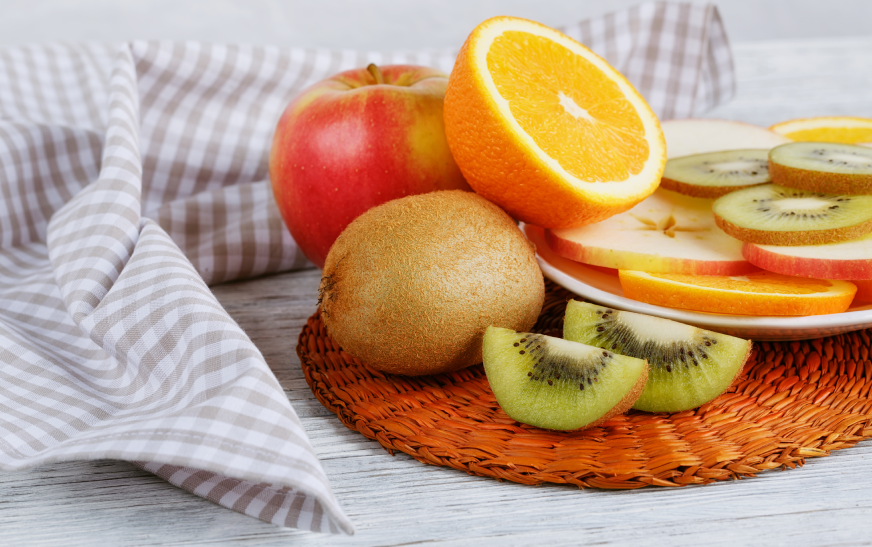
- Pair protein with fruits, vegetables, and whole grains for added vitamins and minerals
Tip: Balanced distribution helps maintain energy levels and supports overall health.
5. Protein & Immune System Boost
- Amino acids from protein help produce antibodies and cytokines
- Zinc and selenium in protein-rich foods enhance immune cell function
- Adequate protein prevents muscle loss and supports recovery during illness
Tip: Ensure a mix of animal and plant-based halal proteins for optimal immunity.
6. Practical Tips for Muslim Households
- Stock a variety of halal-certified protein sources in your pantry
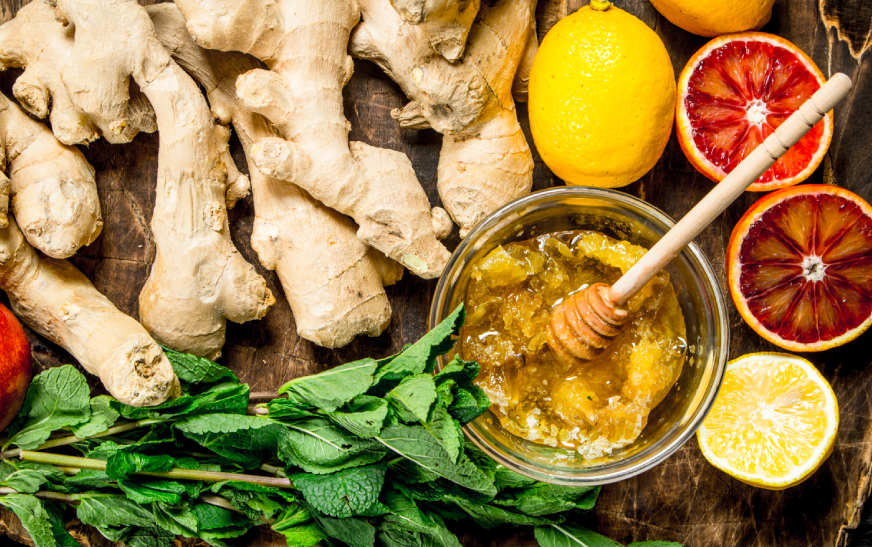
- Use Sunnah-inspired protein foods like eggs, dates (for energy), and honey
- Plan weekly meals to include lean meats, legumes, dairy, and nuts
- Pair proteins with immune-boosting fruits and vegetables
Tip: Simple meal planning ensures consistency and nutrient diversity.
7. Final Thoughts
Protein is a cornerstone of immunity. Including halal protein sources in your diet ensures that Muslims meet both nutritional and spiritual needs. Lean meats, eggs, dairy, legumes, nuts, seeds, and halal fish provide the essential amino acids, vitamins, and minerals necessary for:
- Producing antibodies and immune cells
- Fighting infections naturally
- Supporting recovery and overall health
- Maintaining energy, strength, and vitality
By combining protein with fruits, vegetables, and Sunnah-inspired foods, you create a holistic, immunity-boosting diet that nourishes both body and soul.