

In today’s fast-paced world, busy families often struggle to maintain a healthy, halal diet. Between work, school, and household responsibilities, it’s easy to rely on fast food or processed meals. However, planning your meals in advance can save time, reduce stress, and ensure that your family eats wholesome, halal, and balanced meals every day. This guide will show you how to create a weekly halal meal plan that is nutritious, practical, and family-friendly.
Why Meal Planning Matters
Meal planning is more than just convenience. It benefits your family in several ways:
- Ensures Halal Compliance: Prevents accidental consumption of haram or doubtful ingredients.
- Promotes Balanced Nutrition: Helps include proteins, grains, fruits, and vegetables.
- Saves Time and Money: Reduces last-minute trips to the store or ordering fast food.
- Reduces Food Waste: You buy only what you need.
- Encourages Healthy Habits: Children learn to enjoy balanced halal meals.
For busy Muslim families, a well-structured plan allows you to focus on nutrition without sacrificing time or energy.
Step 1: Assess Your Family’s Needs
Before creating a weekly meal plan, consider:
- Family Size: How many meals are required per day?
- Age and Preferences: Include foods children enjoy while maintaining nutrition.
- Health Goals: Weight management, immunity boosting, or general wellness.
- Allergies or Restrictions: Gluten-free, dairy-free, or vegetarian options if needed.
Understanding these factors ensures the meal plan is practical and sustainable.
Step 2: Structure Your Weekly Plan
A typical halal meal plan should include:
- Breakfast: Nutritious and energizing meals to start the day.
- Lunch: Balanced meals for work or school.
- Dinner: Family-friendly meals that are filling but light.
- Snacks: Healthy options for children and adults.
Consider using a weekly chart to organize meals by day and category.
Step 3: Focus on Balanced Halal Meals
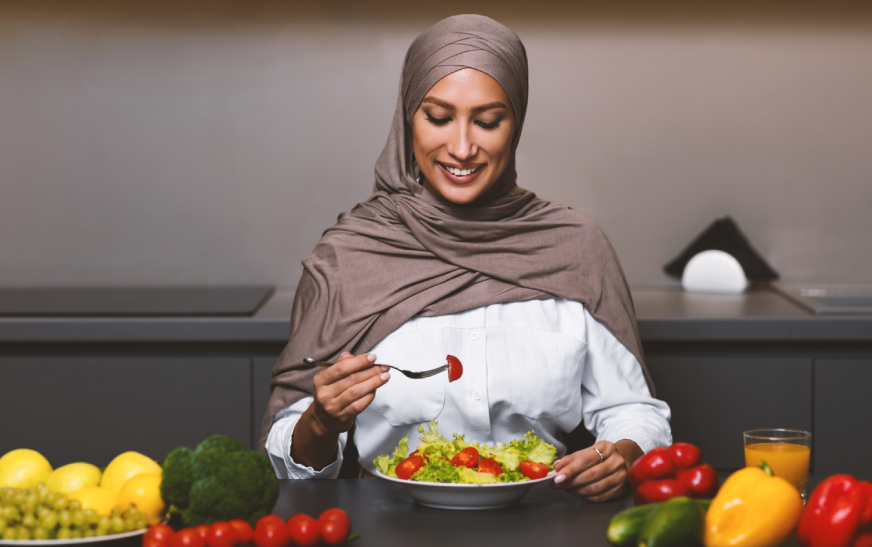
A balanced halal plate includes:
- Proteins: Halal-certified meat, fish, eggs, or plant-based proteins.
- Whole Grains: Brown rice, whole wheat bread, oats, or quinoa.
- Fruits and Vegetables: Fresh and seasonal produce.
- Healthy Fats: Olive oil, nuts, seeds, or avocado.
For busy families, simplicity is key. Choose meals that are easy to prepare while meeting these requirements.
Step 4: Sample Weekly Meal Plan
Here’s an example of a simple halal weekly meal plan:
Monday
- Breakfast: Oatmeal with honey, almonds, and berries
- Lunch: Grilled halal chicken with quinoa and steamed broccoli
- Snack: Dates and walnuts
- Dinner: Lentil soup with whole wheat bread
Tuesday
- Breakfast: Scrambled eggs with spinach and whole grain toast
- Lunch: Tuna salad with fresh vegetables
- Snack: Apple slices with peanut butter
- Dinner: Baked fish with brown rice and roasted vegetables
Wednesday
- Breakfast: Yogurt parfait with granola and fruits
- Lunch: Halal beef stir-fry with vegetables
- Snack: Carrot sticks and hummus
- Dinner: Chickpea curry with whole wheat roti
Thursday
- Breakfast: Smoothie with banana, oats, and milk
- Lunch: Grilled chicken wrap with lettuce and tomato
- Snack: Nuts and raisins
- Dinner: Vegetable soup with lentils and brown rice
Friday
- Breakfast: Poached eggs with avocado toast
- Lunch: Baked salmon with quinoa and green beans
- Snack: Fresh fruit salad
- Dinner: Halal kebabs with couscous and vegetables
Saturday
- Breakfast: Pancakes made with whole wheat flour, topped with honey
- Lunch: Chicken salad with nuts and seasonal fruits
- Snack: Dates and almonds
- Dinner: Vegetarian stir-fry with tofu and brown rice
Sunday
- Breakfast: Frittata with vegetables
- Lunch: Halal beef or lamb stew with whole wheat bread
- Snack: Yogurt with berries
- Dinner: Baked chicken with roasted sweet potatoes and vegetables
This plan balances proteins, grains, and vegetables while staying fully halal.
Step 5: Batch Cooking and Prep
To save time during busy weeks:
- Batch cook proteins: Grill chicken or bake fish in advance.
- Pre-chop vegetables: Store in airtight containers.
- Prepare sauces and dressings: Keep ready-made for easy use.
- Freeze meals: Halal soups, curries, and stews freeze well.
Batch cooking ensures you always have halal, nutritious meals ready.
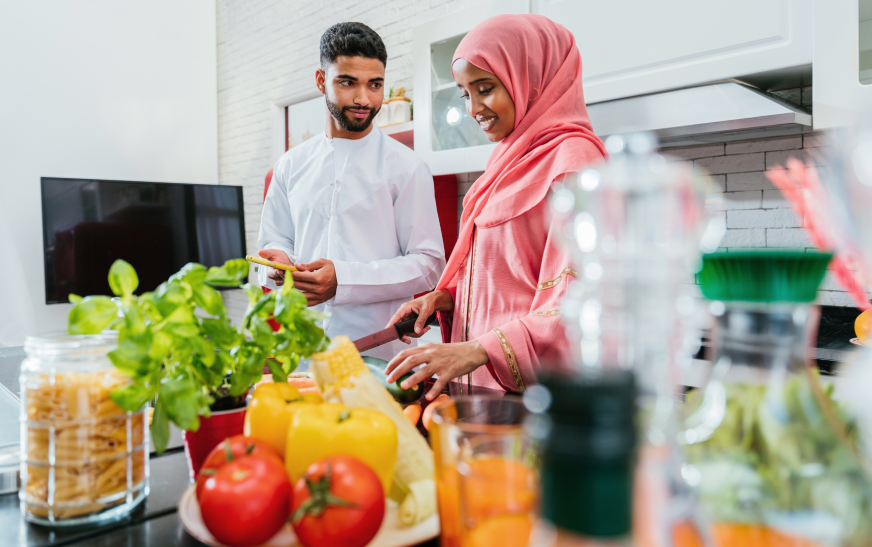
Step 6: Involve the Family
Meal planning can also be a family activity:
- Let children help select fruits and vegetables.
- Encourage them to learn simple cooking skills.
- Make meal prep fun and educational while teaching halal nutrition principles.
This creates a sense of ownership and encourages healthy eating habits.
Step 7: Stay Flexible
Even the best plans may need adjustments:
- Swap meals depending on time and availability.
- Use leftovers creatively to reduce waste.
- Adapt recipes according to seasonal halal ingredients.
Flexibility ensures the plan remains practical and stress-free.
Final Thoughts
Weekly halal meal planning is a powerful tool for busy families. It saves time, promotes health, ensures halal compliance, and instills good eating habits in children. By balancing proteins, grains, vegetables, and healthy fats, families can enjoy wholesome meals while maintaining spiritual and physical wellbeing.
Remember, consistency is key. Start small, plan one week at a time, and gradually develop a routine that works for your family. Eating halal is not just a dietary choice — it is a lifestyle that nourishes both body and soul.