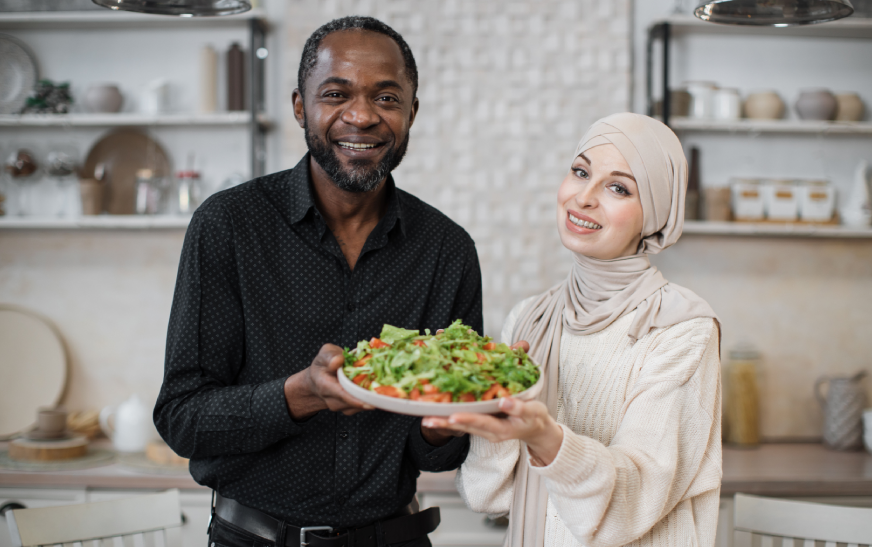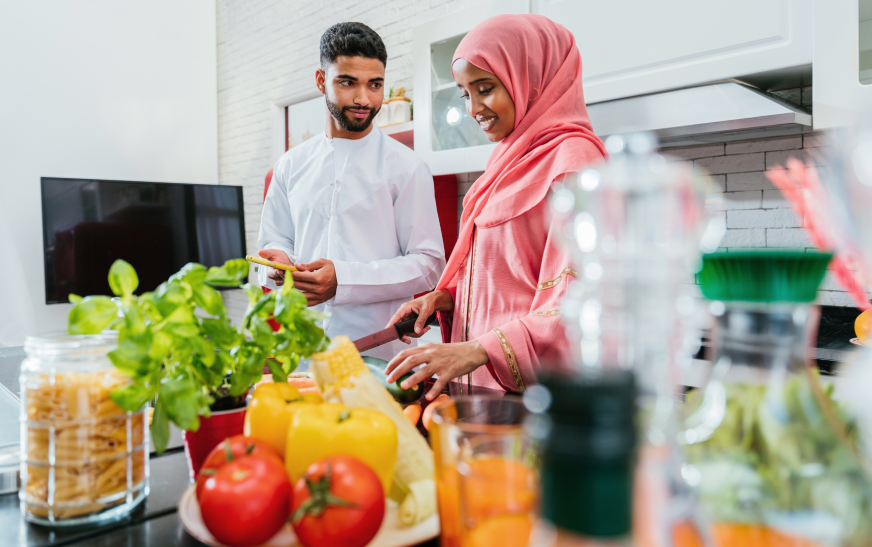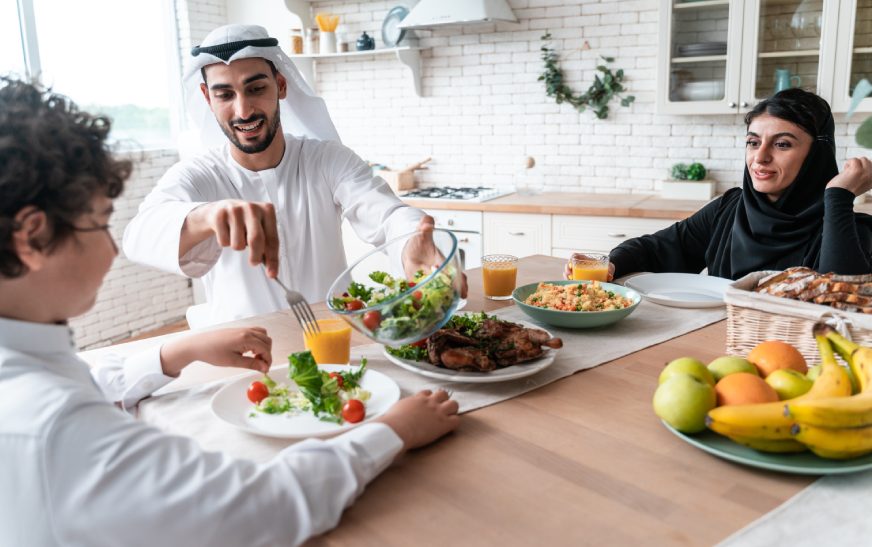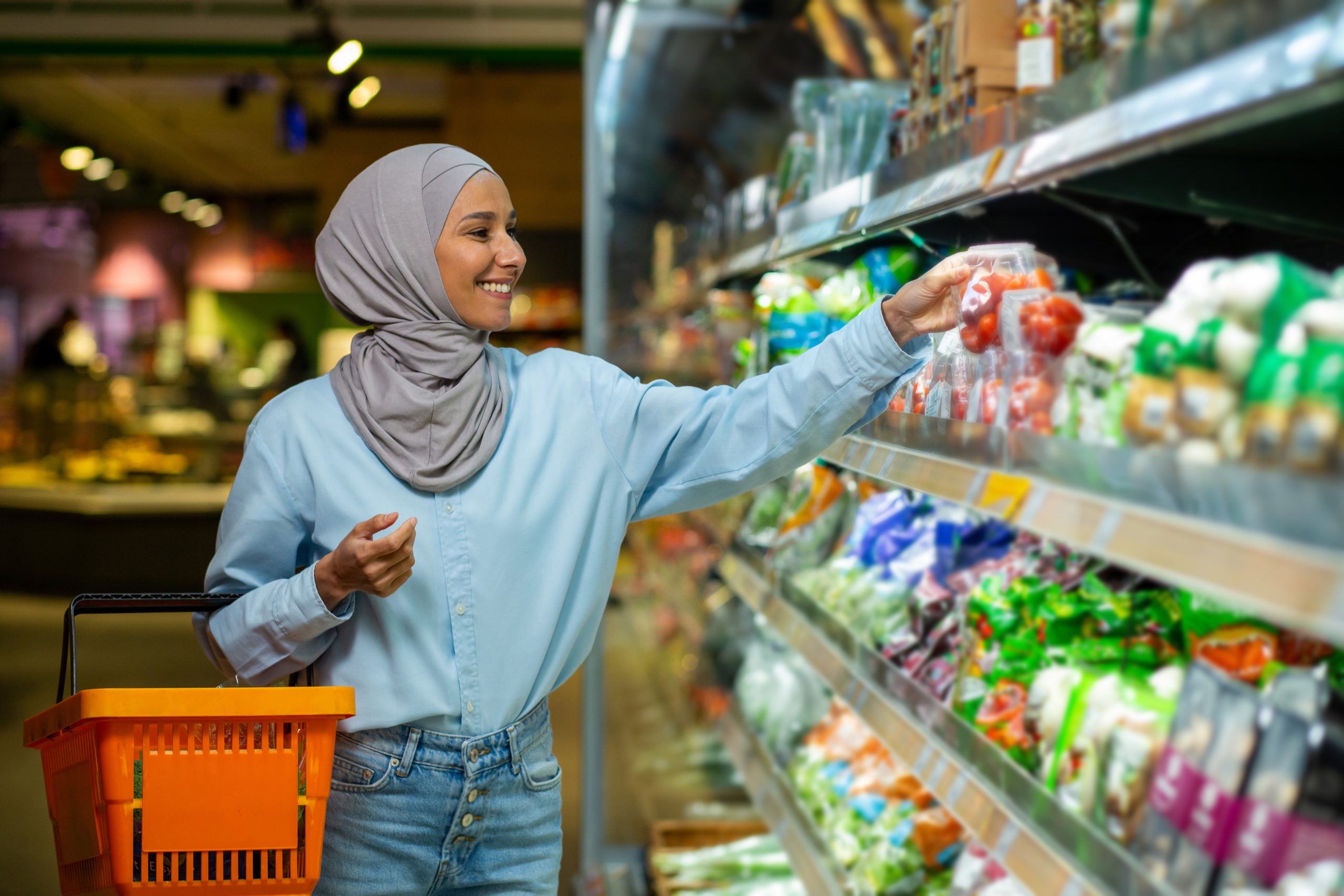

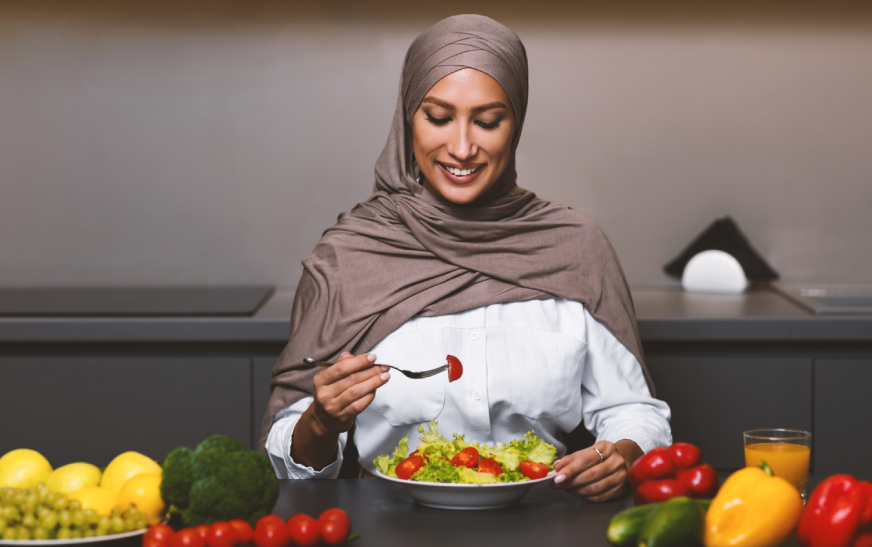
In today’s fast-paced world, maintaining a healthy lifestyle can be challenging. For Muslims, the responsibility is even greater because food is not only about nutrition — it is also about faith. A halal diet is not just a religious obligation; it is a complete lifestyle system that promotes purity, balance, and wellbeing. This complete halal nutrition guide will help you understand how to build a healthy Muslim lifestyle while staying fully compliant with Islamic dietary principles.
What Does Halal Truly Mean?
The word “halal” means permissible in Islam. When it comes to food, halal refers to what is allowed according to the Quran and Sunnah. The opposite of halal is haram (forbidden), such as pork, alcohol, improperly slaughtered animals, and harmful substances.
However, halal nutrition goes beyond simply avoiding haram foods. It also includes eating tayyib, which means pure, wholesome, and beneficial. The Quran emphasizes consuming food that is both halal and tayyib. This means that processed junk food may technically be halal, but it may not always be tayyib or healthy.
A truly halal lifestyle focuses on quality, cleanliness, moderation, and nourishment.
The Foundation of a Halal Balanced Diet
A healthy halal diet should include all major food groups while ensuring ingredients and preparation methods meet Islamic guidelines.
1. Halal Proteins
Protein is essential for muscle repair, immune strength, and overall energy. Choose:
- Halal-certified chicken, beef, and lamb
- Fish and seafood (generally halal)
- Eggs
- Plant-based proteins like lentils, beans, chickpeas, and tofu
Always verify halal certification, especially in packaged or processed meat products.
2. Whole Grains
Whole grains provide fiber, vitamins, and long-lasting energy. Include:
- Brown rice
- Whole wheat bread
- Oats
- Quinoa
- Barley
Avoid processed grains that may contain hidden additives or emulsifiers derived from non-halal sources.
3. Fruits and Vegetables
Fresh fruits and vegetables are naturally halal and packed with antioxidants. Aim for a colorful plate including:
- Leafy greens
- Berries
- Citrus fruits
- Carrots
- Broccoli
These foods support digestion, immunity, and heart health.
4. Healthy Fats
Not all fats are harmful. Healthy halal fat sources include:
- Olive oil
- Avocados
- Nuts and seeds
- Coconut oil (in moderation)
Avoid products that contain animal-based shortening or unclear fat sources.
Hidden Non-Halal Ingredients to Watch For
Many packaged foods may appear halal but contain questionable ingredients. Always read labels carefully. Watch out for:
- Gelatin (may be pork-based)
- Carmine (E120, derived from insects)
- Alcohol-based flavorings
- Certain emulsifiers and enzymes
- Rennet in cheese (unless microbial or halal-certified)
When in doubt, choose products with clear halal certification.
Sunnah-Based Eating Habits for Better Health
Following the Sunnah of Prophet Muhammad (peace be upon him) promotes both spiritual and physical health. Key habits include:
- Eating in moderation
- Avoiding overeating
- Eating slowly and mindfully
- Beginning with “Bismillah”
- Sitting while eating
- Fasting regularly (like Mondays and Thursdays)
Modern science supports these practices. Intermittent fasting, portion control, and mindful eating are widely recognized as powerful health tools.
Hydration the Halal Way
Water is essential for life. Muslims are encouraged to drink water in three sips, sit while drinking, and avoid wastage. Proper hydration supports digestion, detoxification, and immunity.
Avoid sugary drinks and beverages containing alcohol derivatives. Fresh juices and infused water are excellent halal alternatives.
Building a Sustainable Halal Lifestyle
Halal nutrition is not about restriction — it is about balance. Here are practical steps to maintain consistency:
- Plan your meals weekly.
- Shop from trusted halal-certified stores.
- Cook more meals at home.
- Reduce processed food consumption.
- Make dua for barakah (blessing) in your food.
Consistency matters more than perfection. Small daily improvements lead to long-term health benefits.
The Link Between Halal Nutrition and Immunity
A clean, wholesome halal diet strengthens the immune system. Fresh vegetables, quality protein, natural honey, black seed, and dates all provide immune-supporting nutrients. Avoiding alcohol and harmful substances protects the liver and overall body function.
When food is consumed with gratitude and intention, it also nourishes the soul. Islam connects physical wellbeing with spiritual discipline, creating a holistic health model.
Final Thoughts
A complete halal nutrition guide is not only about avoiding haram foods — it is about choosing what is pure, wholesome, and beneficial. By focusing on tayyib foods, balanced meals, Sunnah habits, and mindful eating, Muslims can build a strong body and a spiritually aligned lifestyle.
Halal nutrition is a form of worship. Every bite becomes meaningful when chosen with awareness and gratitude. By following these principles, you can strengthen your health, protect your immunity, and live a lifestyle that reflects both faith and wellness.