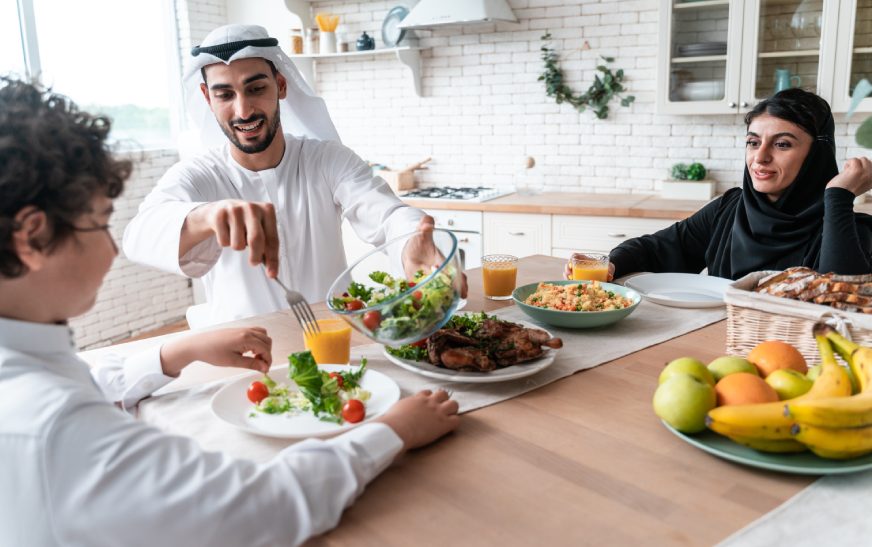

Eating halal is about more than just avoiding pork or alcohol. Many processed and packaged foods contain hidden ingredients that may be haram (forbidden) or doubtful (mashbooh). These hidden ingredients can appear in everyday items like snacks, desserts, medicines, and even cosmetics. Understanding what to watch for is essential for Muslims who want to maintain a fully halal lifestyle.
This guide will help you identify common hidden non-halal ingredients and make safer, informed choices.
1. Gelatin
Gelatin is one of the most common hidden haram ingredients. It is often derived from:
- Pork (haram)
- Non-halal slaughtered animals
Gelatin is found in:
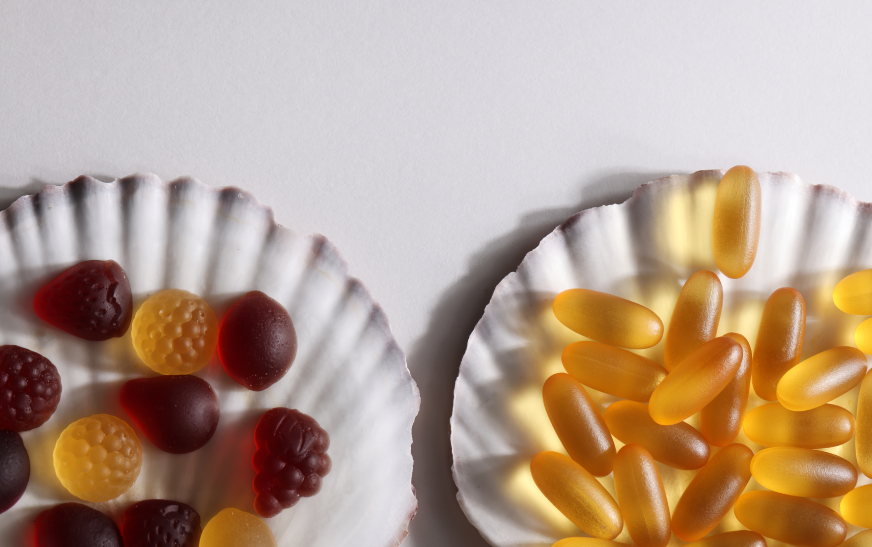
- Gummy candies
- Marshmallows
- Jellies and desserts
- Capsules in medicines or supplements
Tip: Look for “halal-certified gelatin” or plant-based alternatives like agar-agar or pectin.
2. Rennet
Rennet is used in cheese-making to coagulate milk. Not all cheese is halal because:
- Traditional rennet comes from the stomach lining of non-halal slaughtered animals.
- Microbial or plant-based rennet is usually halal.
Tip: Always check for halal certification on cheese or look for “vegetarian rennet” or “microbial rennet.”
3. Carmine (E120)
Carmine is a red coloring agent used in candies, drinks, and cosmetics. It is derived from crushed insects (cochineal).
- Not considered halal due to its animal origin
- Common in bright red or pink food products
Tip: Avoid products containing carmine unless clearly labeled as halal.
4. Alcohol-Based Ingredients
Some foods and flavorings contain alcohol:
- Vanilla extract, wine sauces, certain sauces and marinades
- Some food colorings and flavorings
Even a small amount of alcohol makes food haram.
Tip: Look for “alcohol-free” or “halal-certified” flavorings.
5. Enzymes and Emulsifiers
Many processed foods contain enzymes or emulsifiers that could be animal-derived:
- Mono- and diglycerides (E471)
- Lipase, pepsin, or other enzymes
These may come from pork, non-halal slaughtered animals, or seafood.
Tip: Choose plant-based or halal-certified alternatives.
6. Dairy Ingredients
Some dairy products may contain hidden non-halal components:
- Whey powder derived from non-halal cheese
- Casein from non-halal sources
Tip: Halal-certified dairy ensures all components are permissible.
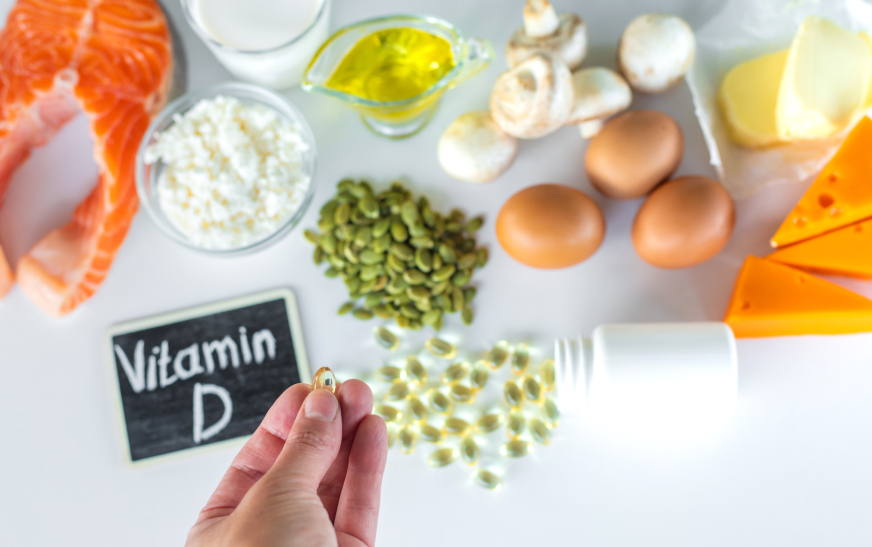
7. Vitamins & Supplements
Even vitamins and supplements may contain hidden haram ingredients:
- Gelatin capsules
- Omega-3 capsules from non-halal fish
- Flavorings or coatings derived from alcohol
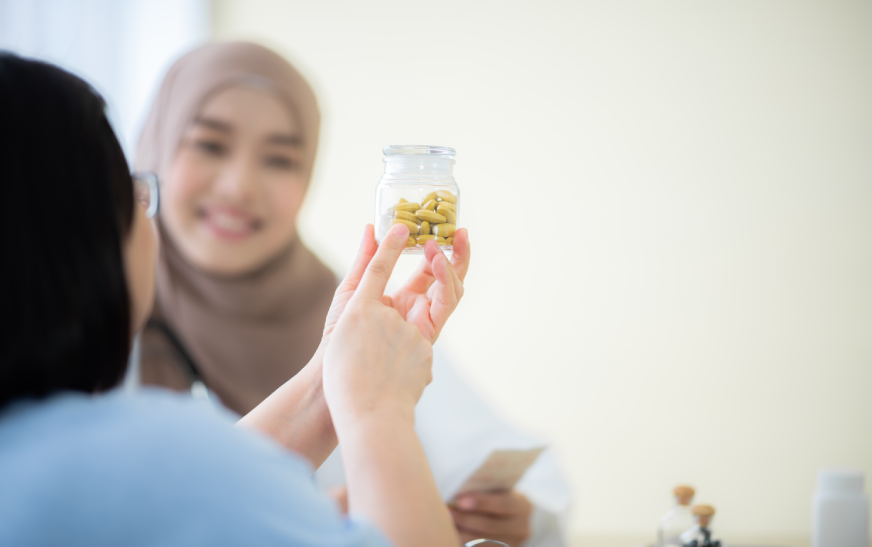
Tip: Always look for halal-certified supplements and read labels carefully.
8. Processed Foods
Many processed foods contain a combination of hidden haram ingredients:
- Instant noodles, sauces, baked goods
- Frozen foods with unclear emulsifiers
- Chocolates with gelatin, dairy enzymes, or alcohol-based flavorings
Tip: When in doubt, prepare meals at home or buy from trusted halal-certified brands.
Practical Tips to Avoid Hidden Non-Halal Ingredients
- Check labels carefully: Learn common E-numbers and additives that may be non-halal.
- Look for halal certification: This ensures the product has been inspected by a trusted authority.
- Choose whole foods: Fresh fruits, vegetables, grains, and naturally halal meat are safest.
- Avoid doubtful foods: If an ingredient’s source is unclear, it’s better to avoid it.
- Cook at home: This gives you full control over ingredients.
The Importance of Awareness
Many Muslims unknowingly consume non-halal products due to hidden ingredients. By being vigilant and educated, you protect both your faith and health. Halal nutrition is not just about avoidance; it is about choosing wholesome, pure, and beneficial foods — tayyib.
Islam emphasizes that what we eat affects not only our bodies but also our spiritual state. Being mindful of hidden ingredients ensures that every bite is in line with Islamic principles, creating a healthy and spiritually fulfilling lifestyle.
Final Thoughts
Avoiding hidden non-halal ingredients requires attention, knowledge, and conscious choices. By understanding common haram additives and selecting halal-certified products, you can maintain a diet that is both healthy and fully permissible.
Your food should nourish your body, protect your faith, and support your wellbeing. Every meal is an opportunity to live a halal, tayyib, and mindful lifestyle.