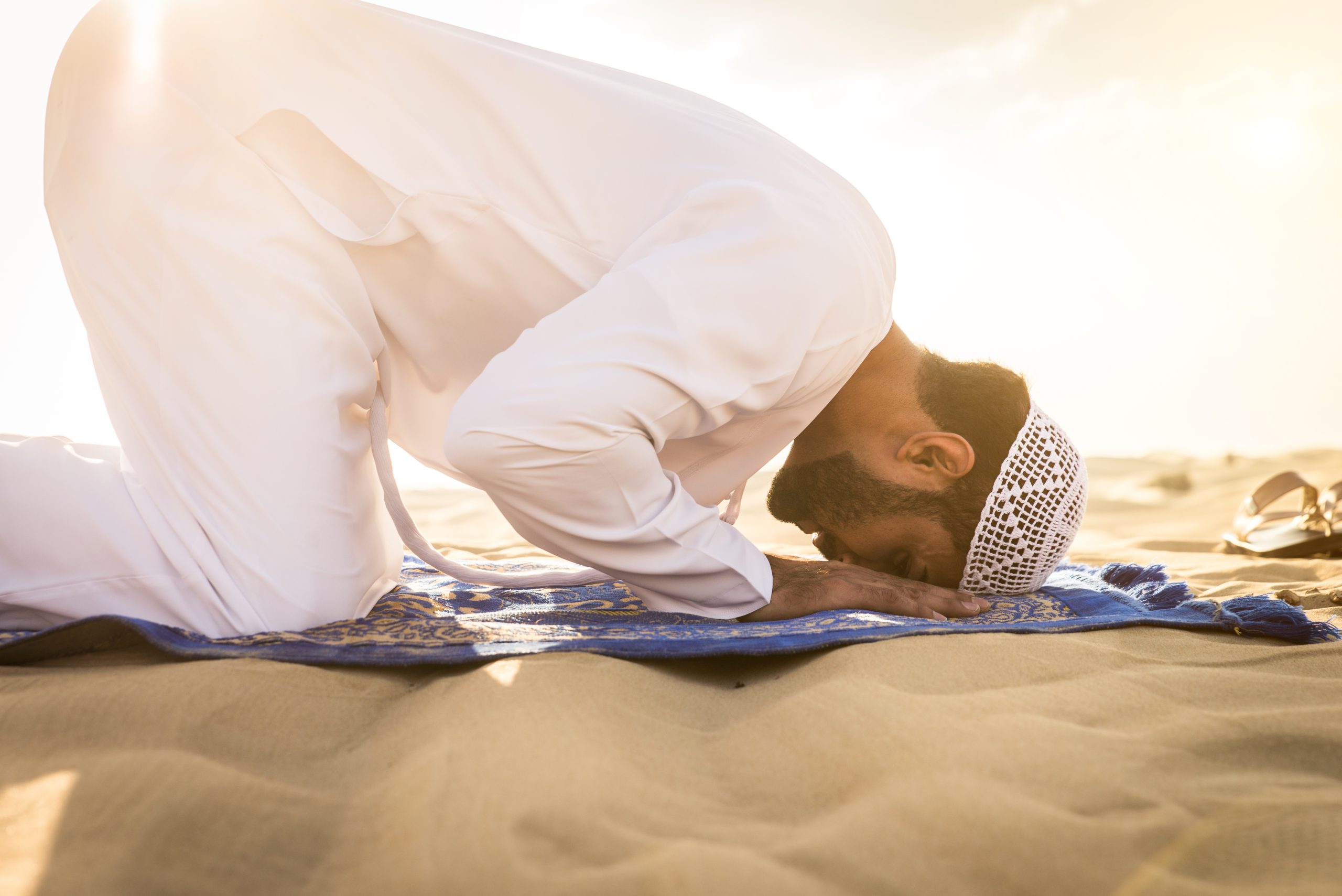


Achieving long-term health doesn’t always require drastic measures. Small, consistent lifestyle changes can have a powerful impact on physical, mental, and spiritual wellbeing. For Muslims, aligning daily habits with Sunnah and mindful wellness practices ensures not only a healthy body but also a spiritually fulfilling life.
Here’s a guide to small lifestyle changes that yield lasting health benefits.
1. Start Your Day Mindfully
How you begin the day sets the tone for your energy, mood, and productivity.
Small Change: Wake up early, perform Fajr, and take a few minutes for mindfulness, dhikr, or deep breathing.
Benefits:
- Boosts mental clarity and focus
- Reduces stress
- Encourages a sense of purpose
2. Practice Portion Control
Overeating is a major contributor to obesity and chronic disease. The Sunnah emphasizes moderation in eating: “One-third food, one-third water, one-third air.”
Small Change: Serve smaller portions and eat slowly. Stop eating before you feel full.
Benefits:
- Supports digestion and nutrient absorption
- Prevents weight gain
- Reduces risk of heart disease and diabetes
3. Incorporate Daily Movement
Regular physical activity is crucial, even if it’s brief.
Small Change: Walk 10–20 minutes after Salah, take stairs, or do light stretches at home.
Benefits:
- Improves cardiovascular health
- Strengthens muscles and joints
- Boosts mood and energy naturally
4. Prioritize Hydration
Proper hydration supports all bodily functions.
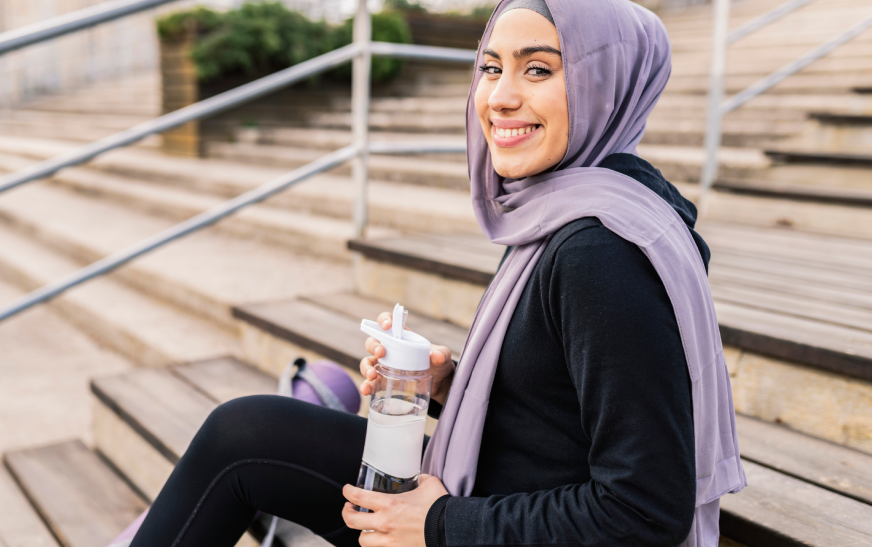
Small Change: Drink a glass of water after waking up and carry a water bottle throughout the day.
Benefits:
- Improves digestion and metabolism
- Enhances mental focus
- Supports immune function
5. Choose Whole, Natural Foods
Processed foods often contain hidden sugars, additives, and unhealthy fats.
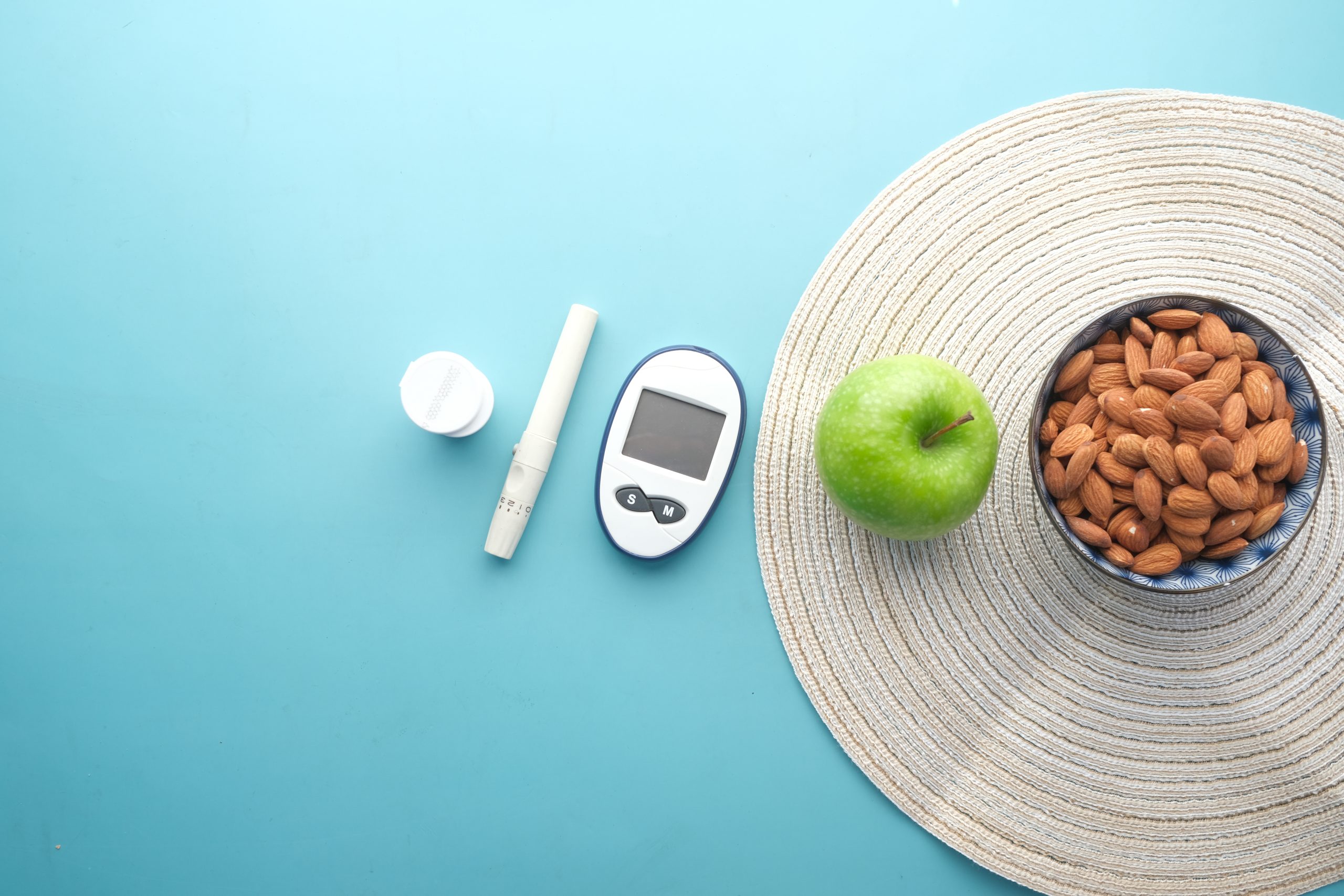
Small Change: Include more fruits, vegetables, whole grains, and halal protein in meals.
Benefits:
- Provides essential vitamins and minerals
- Supports digestion and energy levels
- Reduces risk of chronic diseases
6. Mindful Eating Practices
Eating mindfully promotes better digestion and satisfaction.
Small Change: Eat without distractions, chew thoroughly, and say Bismillah before meals.
Benefits:
- Prevents overeating
- Enhances enjoyment and satisfaction
- Improves nutrient absorption
7. Optimize Sleep
Quality sleep is essential for long-term health.
Small Change: Maintain a consistent sleep schedule and avoid heavy meals or screens before bedtime.
Benefits:
- Supports immune function
- Improves mental clarity and mood
- Reduces risk of metabolic and heart disorders
8. Reduce Stress Through Spiritual Practices
Stress negatively impacts physical and mental health. Sunnah practices help alleviate it naturally.
Small Change: Perform daily prayers on time, recite Quran, or engage in dhikr during breaks.
Benefits:
- Lowers cortisol levels
- Improves emotional wellbeing
- Enhances mental focus and resilience
9. Limit Screen Time and Digital Distractions
Excessive screen time can disrupt sleep, posture, and mental health.
Small Change: Schedule screen-free times, especially before bed and during meals.
Benefits:
- Supports better sleep quality
- Reduces eye strain and tension headaches
- Encourages family bonding and mindfulness
10. Build Social Connections
Strong relationships and community involvement improve mental and emotional health.
Small Change: Spend quality time with family, friends, or local community after Salah or on weekends.
Benefits:
- Reduces stress and loneliness
- Enhances emotional resilience
- Encourages healthy lifestyle habits through support
Making These Changes Sustainable
- Start small: Introduce one or two changes at a time
- Track progress: Note improvements in energy, mood, or digestion
- Be consistent: Small habits compound into major health benefits over time
- Combine spiritual and physical practices: For example, walking after prayer or eating mindfully with dhikr
Final Thoughts
Small, consistent lifestyle changes can dramatically improve long-term health. By incorporating mindful mornings, balanced meals, regular movement, hydration, quality sleep, spiritual practices, and social connections, Muslims can achieve sustainable wellness.
These habits not only support the body but also nourish the soul, creating a lifestyle that is physically healthy, mentally balanced, and spiritually aligned. Long-term health is built one intentional step at a time — and even small adjustments make a lasting difference.