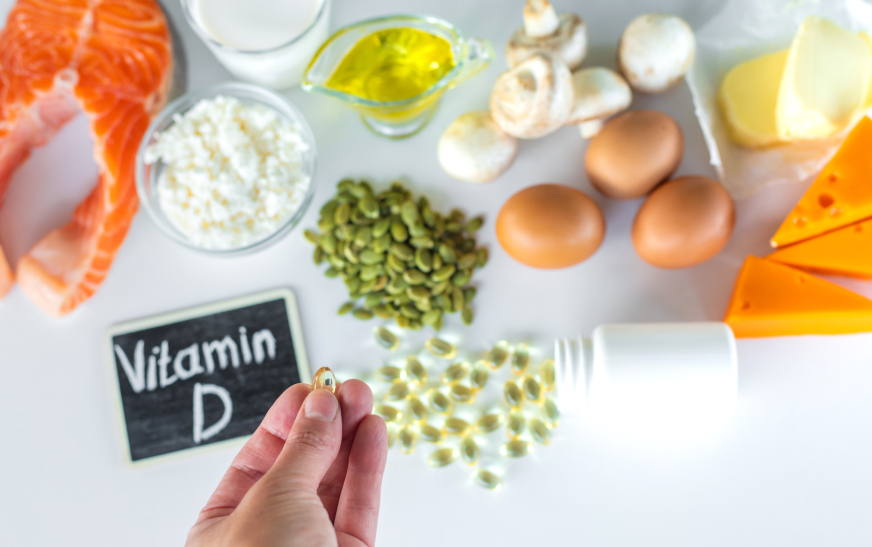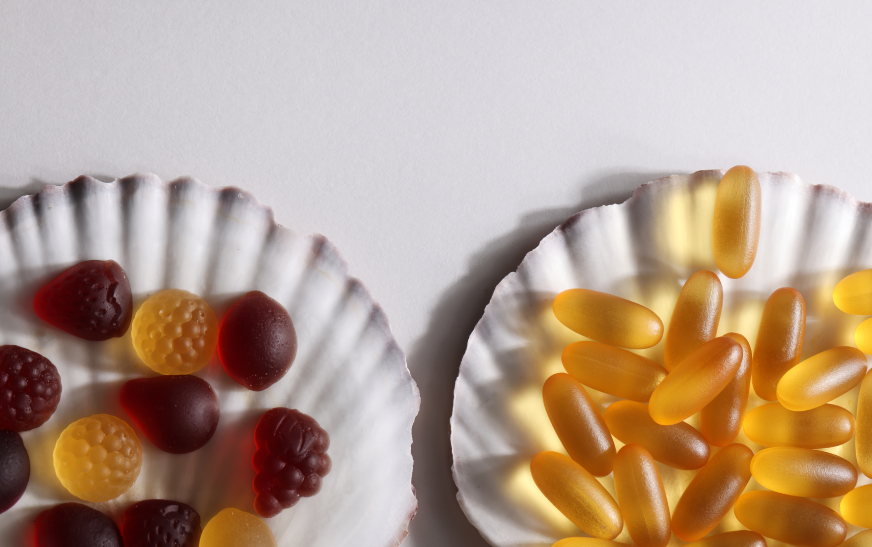


Vitamins and supplements can support health, boost immunity, and fill nutritional gaps. However, for Muslims, it’s important to ensure that these products are halal-certified to align with dietary laws and faith-based practices. Many vitamins contain ingredients like gelatin, alcohol-based coatings, or animal derivatives that may not be halal. Choosing halal-certified supplements ensures safety, spiritual compliance, and peace of mind.
Here’s a guide to choosing halal-certified vitamins.
1. Understand What Makes a Vitamin Halal
Not all vitamins are halal by default. Key factors to consider:
- Ingredients: Avoid gelatin from non-halal sources, alcohol-based solvents, or prohibited animal derivatives
- Manufacturing Process: Ensure the facility follows halal standards and avoids cross-contamination
- Certification: Look for recognized halal certification logos from trusted authorities
Tip: Halal vitamins are labeled with certification logos; always verify their authenticity.
2. Read the Label Carefully
Always check product labels for ingredients and halal indicators.
Things to Look For:
- Gelatin source (bovine, porcine, or halal-certified)
- Additives or colorings derived from animal sources
- Alcohol in flavorings or coatings
- Vegetarian or vegan alternatives may be halal-friendly
Tip: If in doubt, check the manufacturer’s website or contact customer support.
3. Choose Trusted Halal Certification Authorities
Halal certification ensures that a supplement meets strict Islamic dietary standards.
Trusted Certification Bodies:
- Halal Food Authority (HFA)
- Islamic Food and Nutrition Council of America (IFANCA)
- JAKIM (Malaysia) and other internationally recognized authorities
Tip: Certification numbers and logos should be clearly visible on the packaging.
4. Opt for Gelatin-Free or Plant-Based Capsules
Gelatin capsules are common but may not always be halal.
Alternatives:
- Plant-based capsules made from cellulose or pullulan
- Powdered or chewable supplements without gelatin
Benefit: Avoids non-halal animal derivatives while providing the same efficacy.
5. Verify Manufacturing and Cross-Contamination
Even halal ingredients can be compromised if processed in non-halal facilities.
Tips:
- Check for halal-friendly production lines
- Avoid supplements manufactured alongside pork-derived products
- Look for products labeled “halal-certified” for both ingredients and manufacturing
Benefit: Ensures full compliance with halal standards and spiritual peace of mind.
6. Consider Your Health Needs
Choosing halal-certified vitamins also means selecting the right supplements for your body:
- Vitamin D: For bone health and immunity
- Vitamin C: Supports immune function and antioxidants
- Multivitamins: To cover nutritional gaps in diet
- Omega-3 from halal-certified fish oil: Supports heart and brain health
Tip: Consult a healthcare provider before starting any supplement.
7. Avoid Misleading Claims
Not all products claiming “halal” are truly halal.
Tips:
- Check for official halal certification, not just “suitable for Muslims” statements
- Research online for reviews and verification
- Look for transparent ingredient sourcing
Benefit: Protects your health and ensures compliance with faith-based dietary laws.
8. Practical Shopping Tips
- Buy from reputable brands and pharmacies
- Look for halal certification in product description online
- Compare ingredients and ensure no hidden non-halal additives
Tip: Maintain a list of trusted halal-certified brands for convenience.
Final Thoughts
Choosing halal-certified vitamins is not just about compliance — it’s about health, safety, and spiritual integrity. By reading labels carefully, verifying certification, opting for plant-based capsules, and consulting trusted authorities, Muslims can confidently incorporate supplements into their daily routine.
Halal-certified vitamins allow you to support immunity, energy, and overall health without compromising your faith. With awareness and careful selection, maintaining both physical and spiritual wellness becomes simple, safe, and reliable.