
When it comes to vitamins and supplements, gelatin is a common ingredient used in capsules and softgels. However, not all gelatin is halal. Many capsules are made from porcine (pork) or non-halal bovine sources, which are forbidden in Islam. For Muslims, ensuring that your supplements are truly gelatin-free or halal-certified is essential for both spiritual compliance and peace of mind.
Here’s a complete guide to understanding gelatin in supplements and how to choose the right halal options.
1. What is Gelatin?
Gelatin is a protein derived from collagen found in animal bones, skin, and connective tissues. It is used in supplements to create capsules that are easy to swallow, protect sensitive ingredients, and improve shelf life.
Common Sources:
- Pork (non-halal)
- Cow (may be halal if certified)
- Fish (halal in most cases)
Tip: Always check the ingredient label to identify the source.
2. Why Gelatin Matters for Muslims
Not all gelatin is permissible.
Concerns:
- Porcine gelatin: Strictly haram in Islam
- Non-halal bovine gelatin: Only permissible if certified halal
- Hidden sources in vitamins, probiotics, or softgels
Tip: Even small amounts of non-halal gelatin can make a supplement impermissible.
3. How to Identify Gelatin in Supplements
Check Labels for:
- “Gelatin” or “bovine/pork gelatin”
- “Softgel capsule” or “gelcaps” (may contain gelatin)
- “Capsule shell made from animal collagen”
Tip: Look for halal-certified alternatives or plant-based capsules.
4. Halal and Gelatin-Free Alternatives
If you want to avoid non-halal gelatin, there are several options:
- Plant-based capsules: Made from cellulose, HPMC (hydroxypropyl methylcellulose), or pullulan
- Powdered supplements: Can be mixed in water, juice, or smoothies
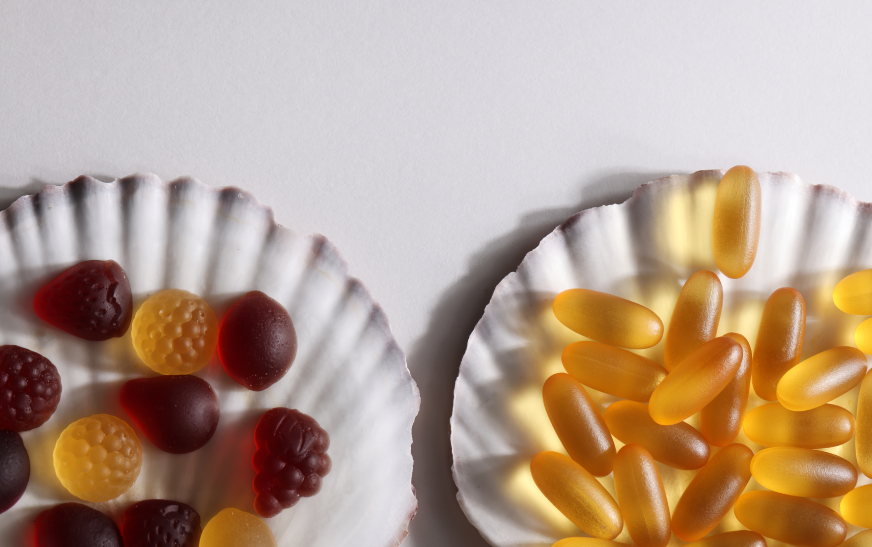
- Chewables and gummies: Verify halal certification, as some may still contain gelatin
Benefit: Provides the same effectiveness without compromising halal compliance.
5. Common Supplements That May Contain Gelatin
- Fish oil capsules
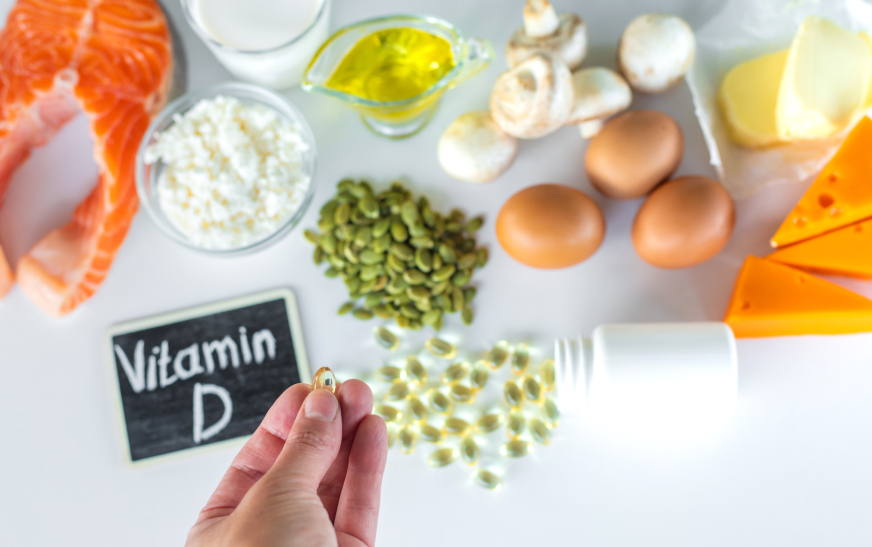
- Vitamin D softgels
- Probiotics
- Herbal capsules
Tip: Always ask manufacturers or look for halal certification when buying these products.
6. Checking for Halal Certification
Trusted Halal Certification Bodies:
- IFANCA (Islamic Food and Nutrition Council of America)
- Halal Food Authority (HFA)
- JAKIM (Malaysia)
What to Look For:
- Clear halal logo and certification number
- Verification on the certifying body’s website
Tip: Certification ensures the ingredient, processing, and capsule material meet halal standards.
7. Benefits of Choosing Gelatin-Free Supplements
- Spiritual compliance: Aligns with Islamic dietary laws
- Digestive ease: Plant-based capsules are easier to digest for some people
- Transparency: Avoid hidden animal-derived ingredients
Tip: Combine halal-certified gelatin-free supplements with a balanced diet to maximize health benefits.
8. Practical Steps for Consumers
- Read labels carefully for gelatin or capsule source
- Look for halal certification from trusted authorities
- Opt for plant-based capsules whenever possible
- Verify with the manufacturer if unclear
- Consult a healthcare provider to ensure proper dosing
Tip: Keeping a list of trusted halal supplement brands makes shopping easier.
9. Common Misconceptions
- “Vegetarian capsules are always halal” → Not always; some may still contain non-halal additives
- “Softgels are harmless” → Softgels often contain gelatin from non-halal sources
- “Plant-based capsules are less effective” → They provide the same nutrient delivery as gelatin capsules
Tip: Awareness is key to ensuring both health and spiritual compliance.
10. Final Thoughts
Being vigilant about gelatin in supplements is essential for Muslims. Not all capsules are truly gelatin-free, and hidden animal-derived ingredients can make supplements non-halal. By:
- Checking labels carefully
- Choosing halal-certified products
- Preferring plant-based or gelatin-free capsules
…you can maintain both physical health and spiritual integrity.
Halal-certified, gelatin-free vitamins and supplements provide a reliable way to support immunity, energy, and overall wellness without compromising your faith. With careful selection, supplement use becomes both safe and spiritually mindful.