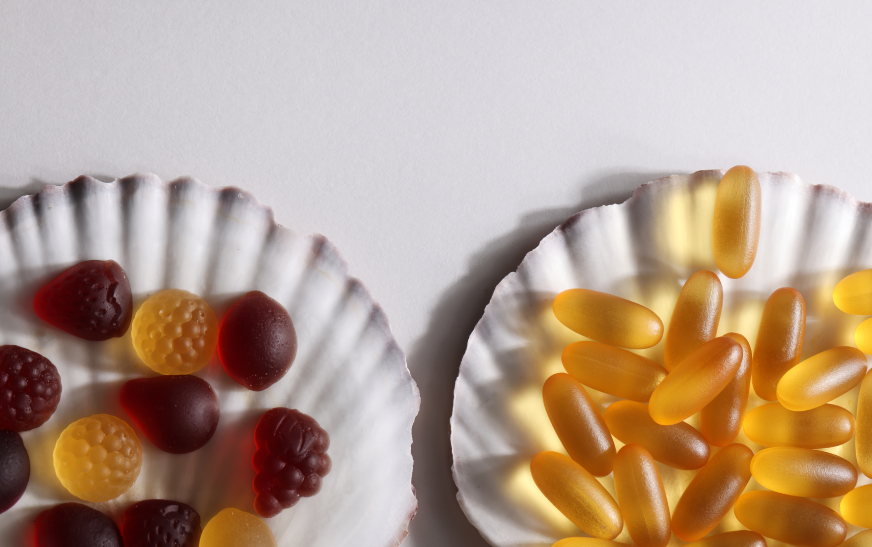

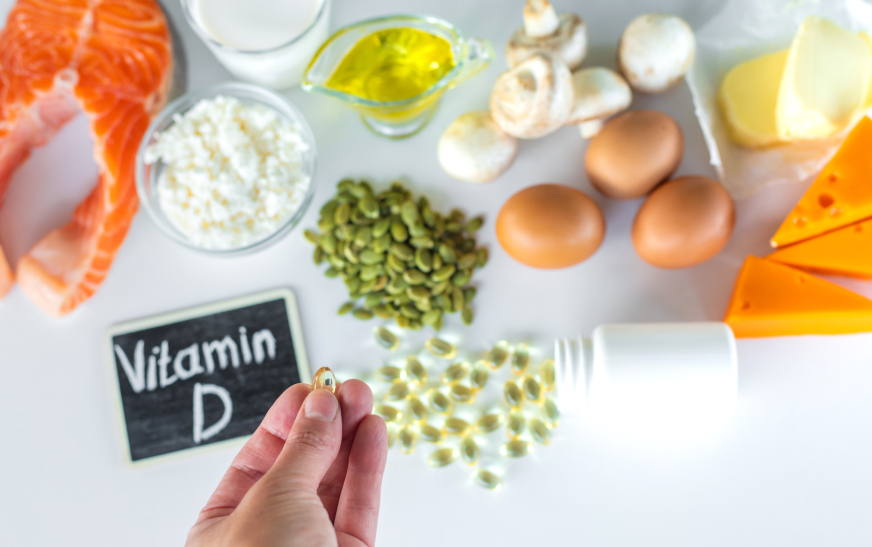
Vitamins are essential for overall health, immunity, and wellbeing. Among them, Vitamin D and Vitamin C play a critical role in supporting the immune system, bone health, and energy levels. For Muslims, deficiencies can be more common due to lifestyle, diet, and geographic factors, making supplementation with halal-certified vitamins an important consideration.
This guide explores why Vitamin D and C are essential for Muslims and how to ensure you get adequate amounts safely.
1. Why Vitamin D is Important
Vitamin D is known as the “sunshine vitamin” because the body produces it in response to sunlight. It plays a key role in:
- Immune support: Strengthens white blood cells and overall immunity
- Bone health: Enhances calcium absorption for strong bones
- Mood regulation: Supports mental wellbeing and energy
Why Muslims Are at Risk of Deficiency:
- Limited sun exposure due to clothing or indoor lifestyle
- Living in areas with low sunlight during winter months
- Darker skin tones that reduce Vitamin D synthesis
Tip: Supplementation may be necessary if sunlight exposure is limited.
2. Why Vitamin C is Essential
Vitamin C is a water-soluble vitamin with powerful antioxidant and immune-boosting properties.
Health Benefits:
- Strengthens the immune system and helps fight infections
- Protects cells from oxidative stress and free radicals
- Supports collagen production for skin, cartilage, and bones
- Enhances iron absorption from plant-based foods
Sources:
- Citrus fruits (oranges, lemons, grapefruits)
- Bell peppers, strawberries, kiwi, and leafy greens
- Halal-certified Vitamin C supplements
Tip: Daily intake is crucial, as the body cannot store water-soluble vitamins.
3. Combining Vitamin D & C for Immune Health
Both vitamins work synergistically to enhance immunity:
- Vitamin D: Activates immune cells to fight infections
- Vitamin C: Protects immune cells and accelerates recovery from illnesses
Result: A stronger defense against common colds, flu, and other infections.
Tip: Pair supplements with a balanced diet for maximum effectiveness.
4. Halal-Certified Supplement Options
When choosing supplements, Muslims should ensure they are halal-certified and free from non-halal ingredients like porcine gelatin or alcohol-based coatings.
Halal Options Include:
- Vitamin D3 from halal-certified lanolin (sheep wool) or vegan sources
- Vitamin C tablets or chewables certified halal
- Multivitamins containing both vitamins with halal certification
Tip: Check packaging for halal logos and certification numbers.
5. Recommended Daily Intake
Vitamin D:
- Adults: 600–800 IU daily (may require more in case of deficiency)
- Sources: Sunlight, fortified foods, halal supplements
Vitamin C:
- Adults: 75–90 mg daily
- Sources: Fruits, vegetables, and halal supplements
Tip: Consult a healthcare provider for personalized dosing, especially during winter or if dietary intake is limited.
6. Lifestyle Tips to Maximize Vitamin Intake
- Sunlight Exposure: 10–15 minutes of sun on hands, face, or arms daily
- Diet: Include fruits, vegetables, and fortified foods
- Supplementation: Use halal-certified vitamins to meet daily requirements
- Balanced Routine: Sleep well, hydrate, and exercise for optimal absorption
Tip: Combining diet, sunlight, and supplements ensures a holistic approach.
7. Signs You Might Be Deficient
- Vitamin D deficiency: Fatigue, muscle weakness, bone pain, mood changes
- Vitamin C deficiency: Slow wound healing, frequent colds, gum problems, low energy
Tip: Blood tests can confirm deficiencies, allowing you to adjust supplements accordingly.
8. Sunnah-Inspired Considerations
- Maintaining health and preventing illness is emphasized in Islamic teachings
- Combining natural foods with supplements aligns with the prophetic tradition of holistic health
- Mindful consumption ensures that both body and faith are cared for
Tip: Incorporate fruits, vegetables, and halal-certified vitamins for balanced wellness.
9. Practical Supplement Tips
- Choose halal-certified brands only
- Opt for gelatin-free or plant-based capsules if possible
- Take supplements with meals for better absorption
- Rotate sources (diet + supplements) for a varied nutrient intake
Tip: Keep a daily routine for vitamins to ensure consistency.
10. Final Thoughts
Vitamins D and C are essential nutrients that support immunity, bone health, energy, and overall wellbeing. For Muslims, limited sunlight exposure, diet, and lifestyle may increase the risk of deficiencies.
By choosing halal-certified supplements, consuming vitamin-rich foods, and following a healthy lifestyle, Muslims can:
- Strengthen immunity naturally
- Maintain bone and skin health
- Improve energy and mental clarity
- Align health practices with faith
Prioritizing Vitamins D and C ensures a holistic approach to physical and spiritual wellness, combining science, nutrition, and Sunnah-inspired practices.