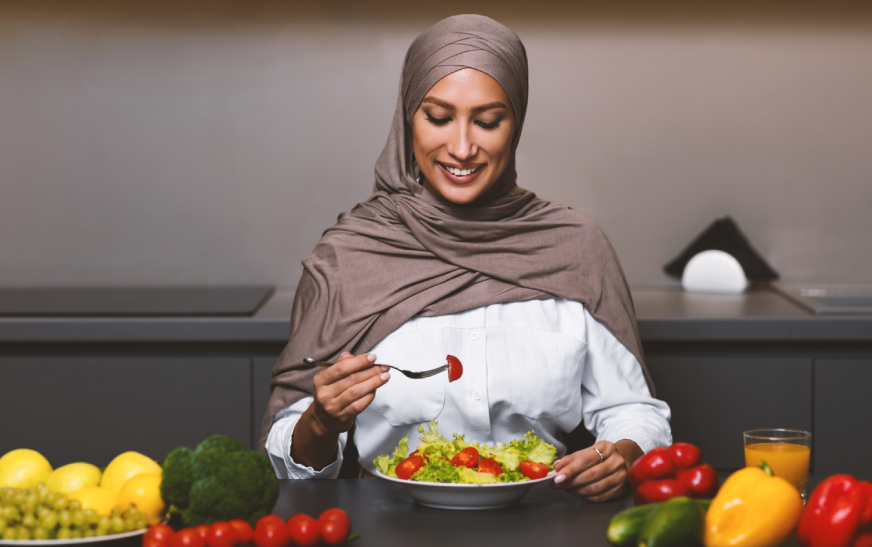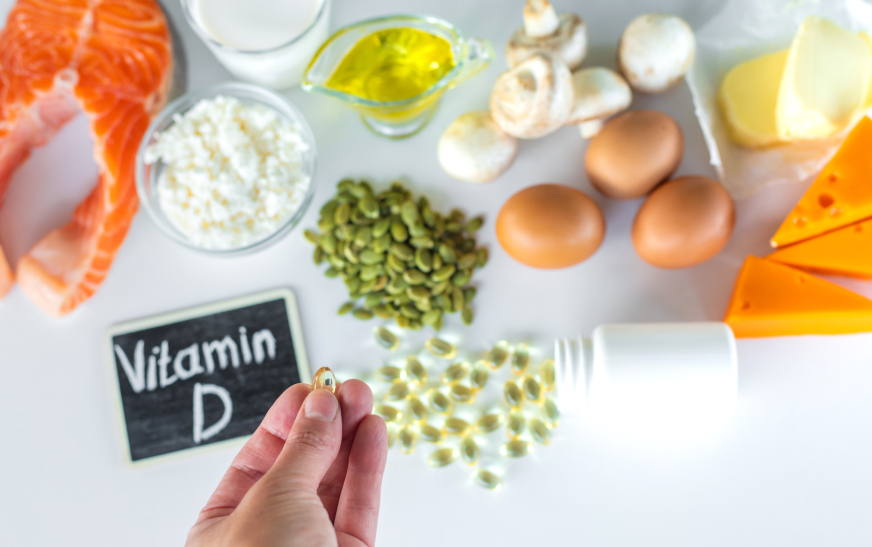

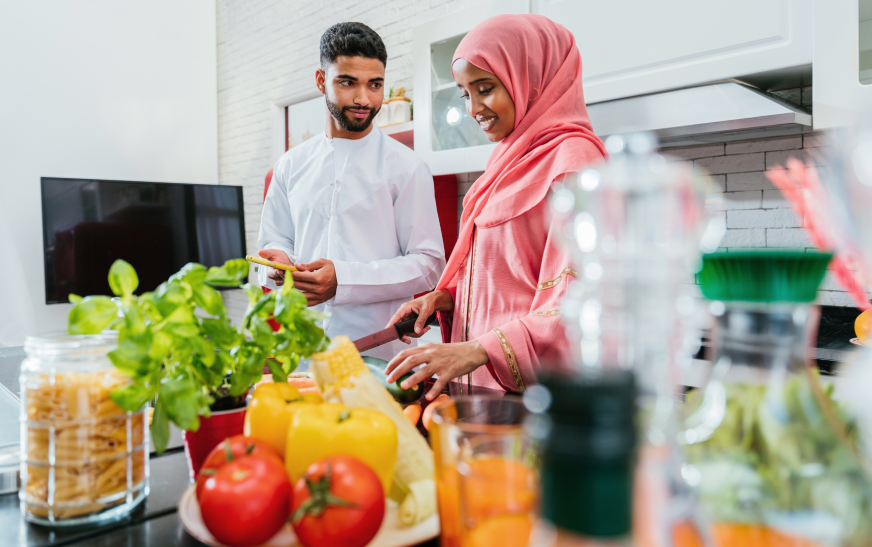
Superfoods are nutrient-dense foods that provide essential vitamins, minerals, antioxidants, and bioactive compounds that support immunity, energy, and overall wellness. For Muslims, incorporating halal superfoods into daily meals is not only healthy but also aligns with faith-based dietary practices.
Here’s a guide to superfoods every Muslim household should have and how they support immunity.
1. Dates (Sunnah Food)
Dates are highly nutritious and have been recommended in prophetic traditions.
Benefits:
- Rich in fiber, vitamins, and minerals
- Boosts energy and supports digestion
- Provides antioxidants that strengthen immunity
Tip: Keep dates as a daily snack, in smoothies, or as part of breakfast for a natural nutrient boost.
2. Black Seed (Nigella sativa)
Known as a prophetic remedy, black seed supports immunity and overall health.
Benefits:
- Anti-inflammatory and antimicrobial properties
- Supports respiratory health
- Enhances immune system response
Tip: Add a teaspoon of black seed to honey, warm milk, or sprinkle on meals.
3. Honey (Raw and Halal-Certified)
Honey is a natural superfood with multiple health benefits.
Benefits:
- Antibacterial and antioxidant
- Soothes the throat and improves digestion
- Supports immune function
Tip: Use honey in tea, oatmeal, or yogurt instead of refined sugar.
4. Nuts and Seeds
Examples: Almonds, walnuts, pumpkin seeds, flaxseeds
Benefits:
- Packed with vitamin E, zinc, and healthy fats
- Boost immune cell activity
- Provide sustained energy and support heart health
Tip: Include a handful of mixed nuts daily, or sprinkle seeds over salads and cereals.
5. Garlic and Onions
These kitchen staples are powerful immunity boosters.
Benefits:
- Contain sulfur compounds that fight infections
- Anti-inflammatory and antioxidant effects
- Support cardiovascular and digestive health
Tip: Crush garlic before cooking to maximize its immune-boosting properties.
6. Leafy Greens
Examples: Spinach, kale, swiss chard
Benefits:
- Rich in vitamins A, C, E, and K
- Provide antioxidants and minerals like iron and magnesium
- Support immune system and detoxification
Tip: Eat raw in salads, lightly sautéed, or blended into smoothies.
7. Berries
Examples: Blueberries, strawberries, raspberries
Benefits:
- High in vitamin C and antioxidants
- Reduce inflammation and protect immune cells
- Support skin and cellular health
Tip: Add berries to breakfast bowls, smoothies, or enjoy fresh as a snack.
8. Fatty Fish & Halal Seafood
Examples: Salmon, mackerel, sardines (halal-certified)
Benefits:
- Rich in omega-3 fatty acids
- Reduce inflammation and support immunity
- Promote heart and brain health
Tip: Grill, bake, or steam fish for nutrient-rich meals.
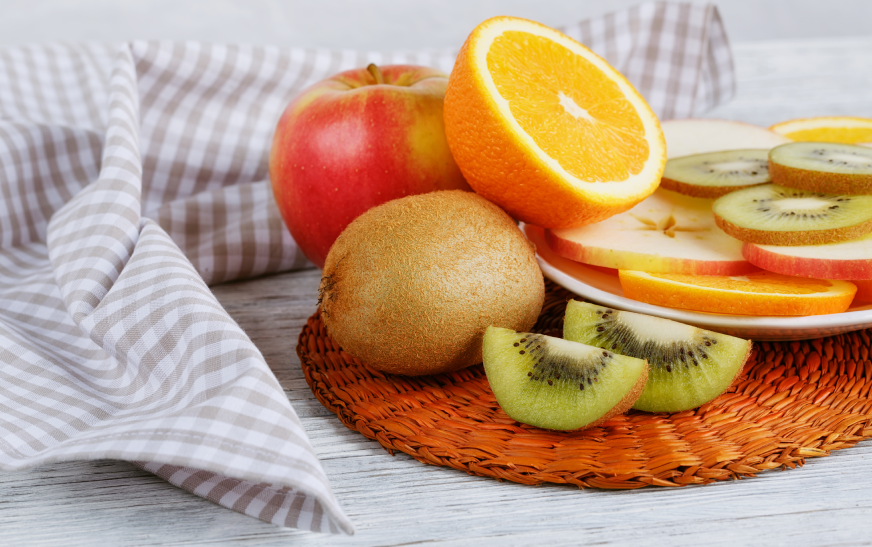
9. Citrus Fruits
Examples: Oranges, lemons, grapefruits
Benefits:
- High in vitamin C
- Enhance immune cell activity
- Provide antioxidants that protect against infections
Tip: Use as fresh juice, in salads, or infused water.
10. Whole Grains
Examples: Quinoa, oats, brown rice, barley
Benefits:
- Provide fiber, B-vitamins, and minerals
- Support gut health, which is essential for immunity
- Help maintain steady energy levels
Tip: Replace refined grains with whole grains in meals to boost nutrient intake.
Practical Tips for a Superfood-Rich Diet
- Combine fruits, vegetables, nuts, and protein in each meal
- Include Sunnah superfoods like dates, honey, and black seed
- Rotate superfoods to ensure a broad range of nutrients
- Pair with proper hydration and exercise for optimal results
Tip: Preparing weekly meal plans with these superfoods can help maintain consistency.
Final Thoughts
Incorporating superfoods into your daily diet is an effective way to strengthen immunity, boost energy, and support long-term health. By including dates, black seed, honey, garlic, leafy greens, berries, fatty fish, citrus, and whole grains, Muslim households can enjoy nutrient-rich, halal, and Sunnah-aligned meals.
A diet rich in superfoods, combined with adequate sleep, physical activity, and hydration, creates a holistic lifestyle that nourishes both body and soul.