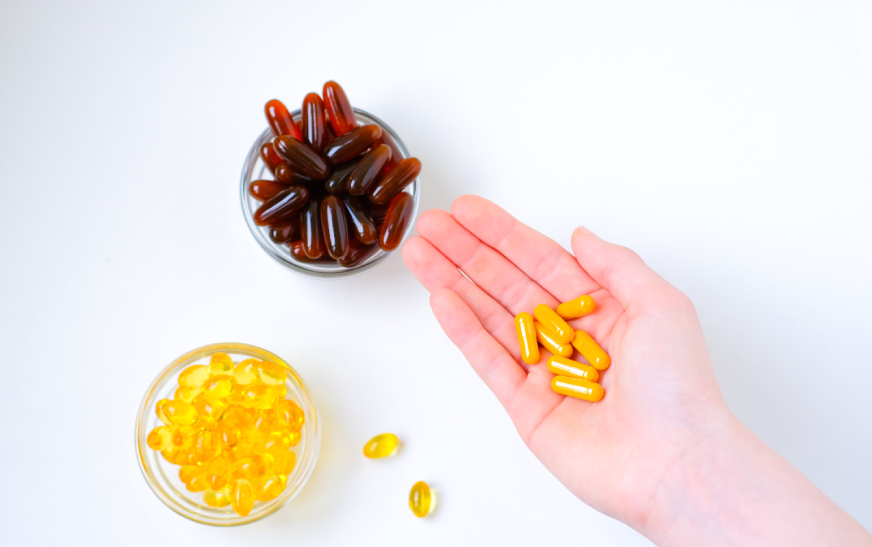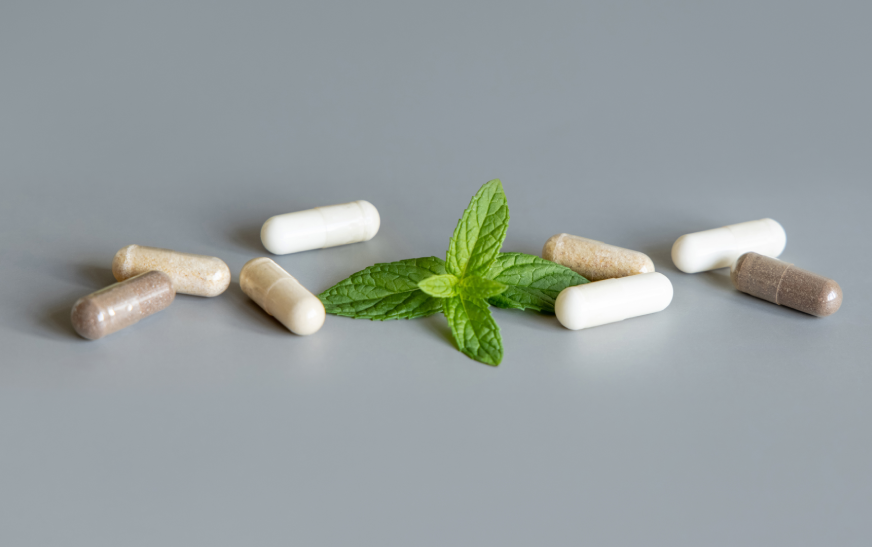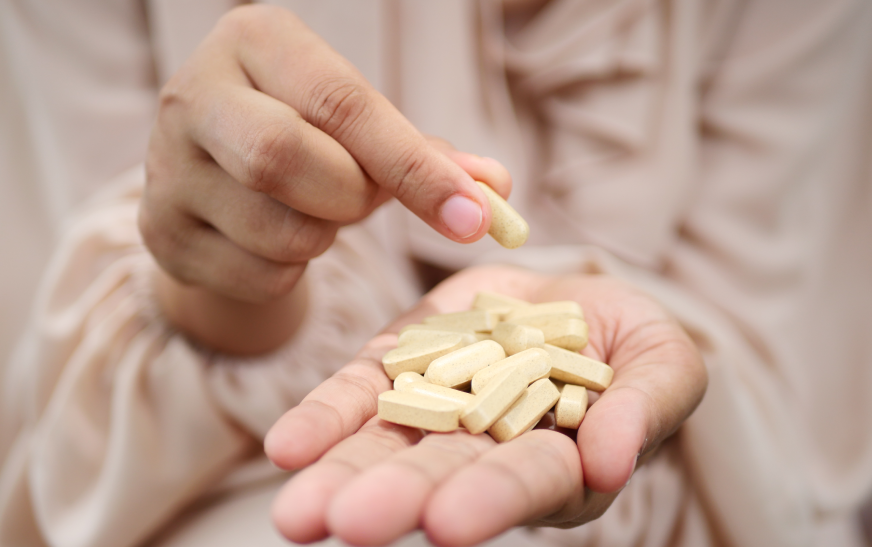

For Muslims, maintaining halal dietary compliance is not limited to food—it extends to medications, supplements, and vitamins. Many capsules and tablets contain hidden non-halal ingredients, making it essential to know how to identify them. This guide will help you recognize non-halal ingredients and make safe, faith-compliant choices.
1. Why It Matters
Consuming non-halal ingredients unknowingly can conflict with Islamic dietary laws. Medicines may contain:
- Gelatin from pork or non-halal sources
- Alcohol-based coatings or solvents
- Animal-derived enzymes or stabilizers
Tip: Always check for halal certification or ingredient transparency before using any supplement or medicine.
2. Common Non-Halal Ingredients in Capsules
| Ingredient | Source | Why It May Be Non-Halal |
|---|---|---|
| Gelatin | Pork or non-halal beef | Often used in capsules and soft gels |
| L-Cysteine | Hair, feathers, or animal tissues | Used as a binding agent or flavor enhancer |
| Stearic Acid | Animal fat | Used as lubricant in tablets and capsules |
| Glycerin | Animal fat | Used as humectant or softener |
| Alcohol | Ethanol or isopropyl | Solvent in liquid medicines or tinctures |
| Enzymes | Animal pancreas or digestive organs | Used in digestive supplements |
Tip: Ingredients sourced from pigs or improperly slaughtered animals are strictly haram.
3. Hidden Ingredients to Watch For
Sometimes, non-halal ingredients are not obvious:
- “Natural flavors” – May include animal-derived components
- “Colorants” – Some red, yellow, or brown dyes come from insects or animals
- “Emulsifiers” – Could be derived from animal fats
Tip: When labels are unclear, contact the manufacturer or check halal certification.
4. Halal Certification is Key
- Look for IFANCA, JAKIM, HFA, or other trusted halal logos
- Certification ensures that:
- Ingredients are halal
- Manufacturing process avoids cross-contamination with haram substances
- Alcohol or animal-derived additives are absent
Tip: Halal certification is the most reliable way to identify safe medicines and supplements.
5. Steps to Identify Non-Halal Ingredients
- Read Ingredient Labels Carefully: Look for gelatin, pork, or animal fat derivatives
- Research Unfamiliar Terms: Ingredients like “carmine,” “lard,” or “chondroitin” may be non-halal
- Check for Halal Logos: Trusted halal-certified products provide peace of mind
- Contact Manufacturers: Many companies can confirm ingredient sources
- Use Online Resources: Halal supplement databases list compliant products
Tip: When in doubt, always opt for gelatin-free or plant-based alternatives.
6. Practical Tips for Consumers
- Prefer gelatin-free capsules or plant-based options
- Avoid liquid medicines containing ethanol unless medically necessary
- Keep a list of trusted halal brands and pharmacies
- Consult healthcare providers for alternative halal formulations
Tip: Planning ahead prevents accidental consumption of non-halal ingredients.
7. Benefits of Identifying Non-Halal Ingredients
- Spiritual Compliance: Aligns with Islamic dietary laws
- Health Safety: Avoids unnecessary additives or allergens
- Confidence: Peace of mind while taking medications or supplements
- Family-Friendly: Ensures safe options for children and adults
Tip: Knowledge of ingredients empowers Muslims to make informed, halal-compliant choices.
8. Final Thoughts
Identifying non-halal ingredients in medicines and supplements is crucial for maintaining faith and health. Key strategies include:
- Reading labels carefully
- Looking for gelatin-free and plant-based capsules
- Checking trusted halal certifications like IFANCA or JAKIM
- Contacting manufacturers when in doubt
By following these steps, Muslims can safely use medications and supplements while upholding halal dietary laws. Combining this awareness with a balanced diet, halal vitamins, and healthy lifestyle practices ensures a holistic approach to wellness that nourishes both body and soul.