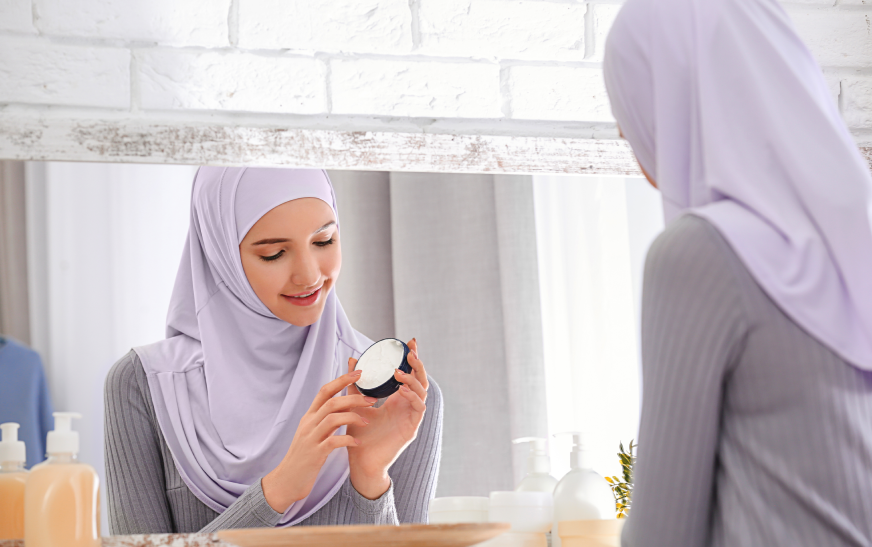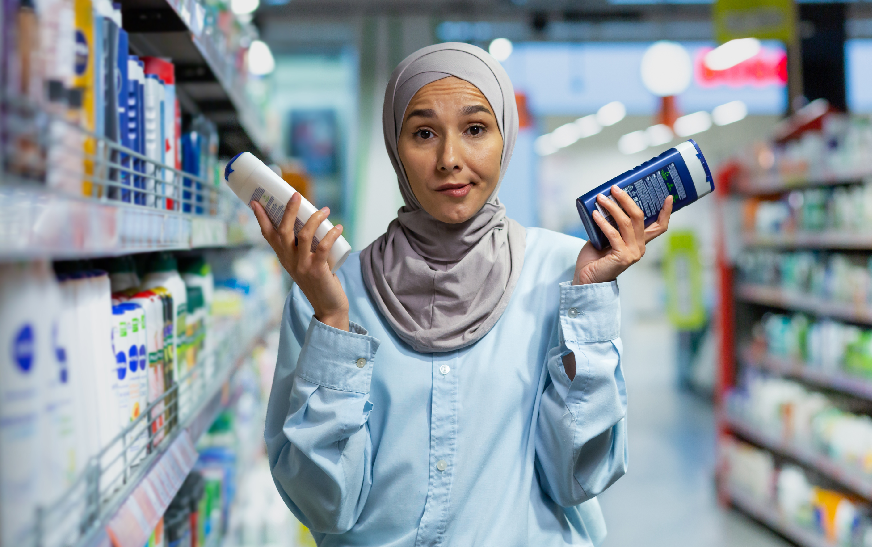


For Muslims, choosing halal-certified skincare products ensures that beauty routines comply with Islamic dietary and ethical principles. Halal skincare is free from non-permissible ingredients like alcohol derived from haram sources, porcine derivatives, and non-halal animal by-products, while being safe, ethical, and effective for all skin types.
This guide explains how to identify halal skincare, key ingredients to look for, and tips for selecting the right products.
1. Why Halal Skincare Matters
- Spiritual Compliance: Ensures daily routines adhere to Islamic principles
- Health Benefits: Halal skincare avoids harsh chemicals and animal-derived ingredients that may irritate the skin
- Ethical Choice: Many halal brands follow cruelty-free practices
- Peace of Mind: You can confidently use products without compromising faith
Tip: Halal skincare isn’t just about religious compliance—it also promotes healthier, safer skin.
2. Check for Halal Certification
- Look for trusted logos from authorities like IFANCA, JAKIM, or HFA
- Certification ensures:
- Ingredients are halal and ethically sourced
- Manufacturing processes avoid contamination with haram substances
- Alcohol or animal-derived components are compliant
Tip: A halal-certified product is the simplest way to ensure faith-compliant skincare.
3. Ingredients to Look For
When selecting skincare products, prioritize:
- Plant-Based Oils & Extracts: Olive oil, coconut oil, argan oil, aloe vera
- Vegetable Glycerin: Safe alternative to animal-derived glycerin
- Natural Emulsifiers & Preservatives: Sunflower lecithin, xanthan gum, vitamin E
- Alcohol-Free Formulations: Avoid ethanol derived from non-halal sources
Tip: Natural and plant-based ingredients are generally safer, gentler, and halal-compliant.
4. Ingredients to Avoid
- Non-Halal Animal Derivatives: Pig-derived gelatin, collagen, stearic acid from non-halal sources
- Alcohol (Ethanol) from Haram Sources: Found in toners, perfumes, and some cleansers
- Non-Halal Enzymes or Additives: Used in exfoliants, anti-aging creams, or soaps
- Uncertified Fragrances: May contain animal by-products or alcohol
Tip: Always read labels carefully and avoid vague terms like “natural flavors” or “animal extracts.”
5. Types of Halal Skincare Products
- Cleansers: Halal-certified foaming washes, gels, and milk cleansers
- Moisturizers: Plant-based creams, oils, and gels
- Sunscreens: Alcohol-free, halal-certified SPF formulations
- Makeup: Halal foundations, lipsticks, and mascaras without animal by-products
Tip: Start with essentials and gradually transition to a fully halal skincare routine.
6. Practical Tips for Choosing Halal Skincare
- Look for Certification: Check for IFANCA, JAKIM, or HFA logos
- Read Ingredient Lists: Avoid ambiguous or animal-derived components
- Research Brands: Choose reputable companies that are transparent about sourcing
- Test for Sensitivity: Even halal products can cause reactions; patch-test new items
- Prioritize Clean Labels: Simple ingredients are often better for sensitive skin
Tip: Halal skincare doesn’t have to be expensive—focus on quality and compliance.
7. Benefits of Halal Skincare
- Faith-Friendly: Fully aligns with Islamic dietary and ethical laws
- Gentle on Skin: Avoids harsh chemicals and animal by-products
- Ethical & Cruelty-Free: Many halal brands follow ethical manufacturing
- Holistic Wellness: Complements a healthy lifestyle for skin and spiritual peace
Tip: Consistent halal skincare promotes both beauty and spiritual satisfaction.
8. Final Thoughts
Choosing halal-certified skincare is essential for Muslims who want effective, safe, and faith-compliant beauty routines. By selecting products with:
- Verified halal certification
- Plant-based, alcohol-free, and ethically sourced ingredients
- Transparent labels and reputable brands
…you can maintain healthy, glowing skin while honoring your faith.
Transitioning to halal skincare is not just about religion—it’s a holistic approach to well-being, ethical living, and self-care.