
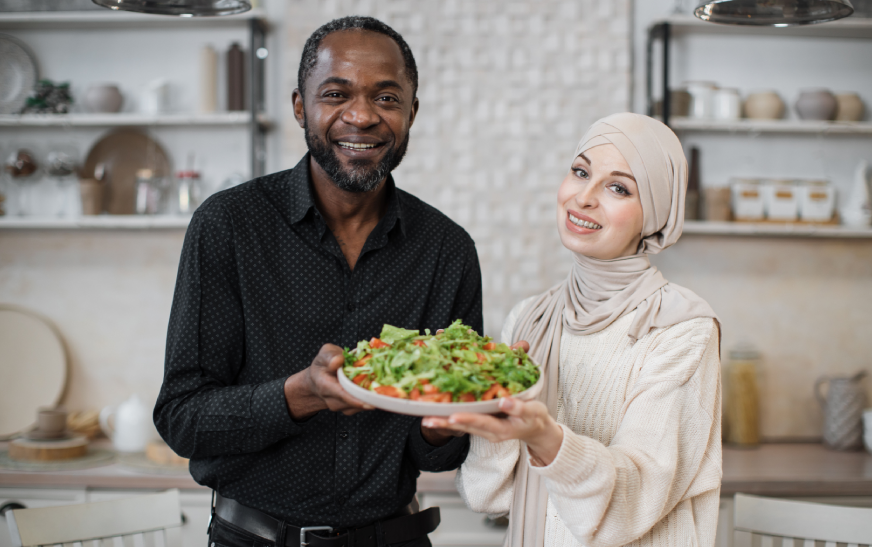
Building a 100% halal balanced diet is not just about avoiding pork or alcohol. It is about creating a nutrition plan that aligns with Islamic principles while supporting your physical health, mental clarity, and long-term wellbeing. A truly halal diet combines permissibility (halal), purity (tayyib), and balance (moderation). When these three elements come together, you build a lifestyle that strengthens both body and faith.
Let’s break down how you can practically build a complete halal balanced diet.
Step 1: Understand the Meaning of Halal and Tayyib
In Islam, food must be halal (permissible) and tayyib (pure and wholesome). While a product may technically be halal, it may not be healthy if it is highly processed, high in sugar, or filled with artificial additives.
A 100% halal balanced diet means:
- All ingredients are halal-certified or clearly permissible
- Food is clean, safe, and hygienically prepared
- Meals provide proper nutrition
- You avoid harmful or doubtful (mashbooh) ingredients
Always check ingredient labels, especially for gelatin, enzymes, emulsifiers, flavorings, and alcohol-based additives.
Step 2: Follow the Balanced Plate Formula
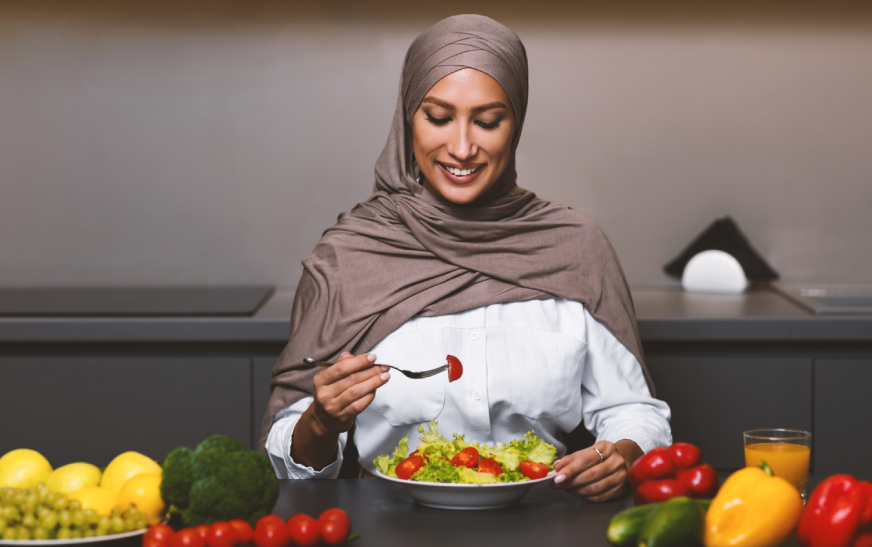
To build a healthy halal meal, divide your plate into three main sections:
1 Half Plate – Vegetables & Fruits
Fill half your plate with colorful vegetables and fruits. These provide:
- Fiber for digestion
- Antioxidants for immunity
- Vitamins and minerals
Examples:
- Spinach, broccoli, carrots
- Bell peppers, cucumbers
- Apples, oranges, berries
Fresh, whole produce is naturally halal and tayyib.
2 One-Quarter – Halal Protein
Protein supports muscle growth, metabolism, and immune strength. Choose:
- Halal-certified chicken, beef, or lamb
- Fish and seafood
- Eggs
- Lentils, beans, chickpeas
- Tofu and plant-based proteins
Avoid processed meats unless clearly halal-certified. Many processed items contain questionable preservatives.
3 One-Quarter – Whole Grains
Whole grains provide long-lasting energy and fiber. Good options include:
- Brown rice
- Whole wheat roti or bread
- Oats
- Quinoa
- Barley
Avoid refined white flour products regularly, as they offer little nutritional value.
Step 3: Choose Healthy Halal Fats
Healthy fats are essential for brain function and hormone balance. Include:
- Olive oil
- Avocados
- Nuts and seeds
- Natural nut butters
Avoid products containing unclear animal fats or shortening. Always verify the source.
Step 4: Limit Processed and Sugary Foods
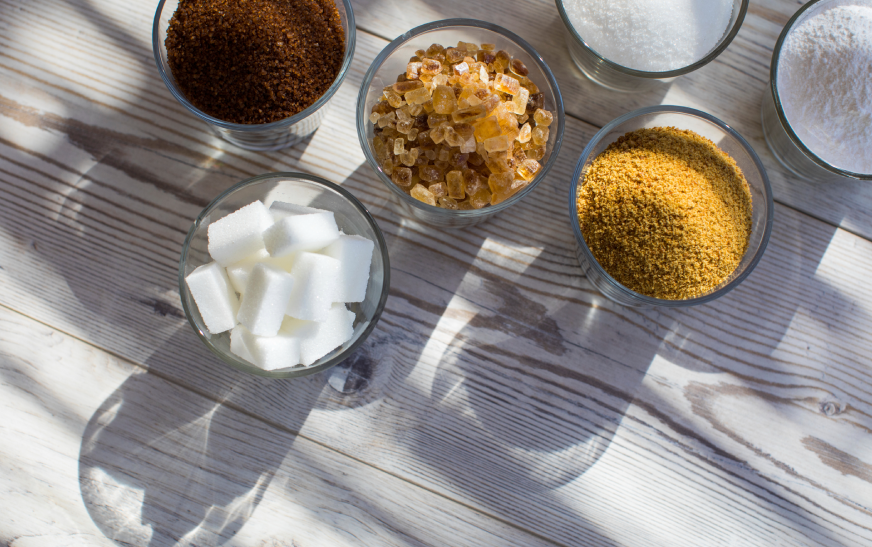
Just because snacks are halal-certified does not mean they are healthy. Chips, sugary desserts, and sodas weaken immunity and increase inflammation.
Instead:
- Replace soda with infused water
- Choose dates instead of candy
- Make homemade desserts with natural sweeteners
- Snack on nuts and fruits
Moderation is key. Islam strongly discourages overeating. The Prophet Muhammad (peace be upon him) advised filling one-third of the stomach with food, one-third with water, and leaving one-third empty.
Modern science now confirms that portion control improves digestion and prevents chronic diseases.
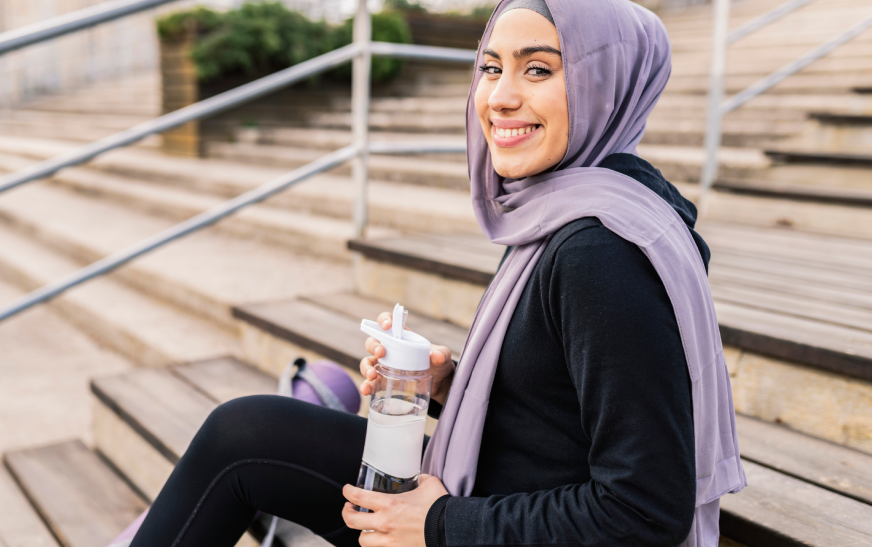
Step 5: Hydrate Properly
Water is essential in a balanced halal diet. Drink:
- 6–8 glasses of water daily
- Herbal teas
- Fresh juices (without added sugar)
Avoid beverages containing alcohol derivatives or excessive caffeine.
Drinking water in moderation and with gratitude aligns both with health science and Sunnah practice.
Step 6: Plan Weekly Meals
Meal planning prevents accidental consumption of doubtful ingredients. A simple weekly plan could look like:
- Breakfast: Oats with honey and fruits
- Lunch: Grilled halal chicken with brown rice and vegetables
- Dinner: Lentil soup with whole wheat bread
- Snacks: Nuts, yogurt, dates
Preparing food at home gives you full control over ingredients and cooking methods.
Step 7: Strengthen Immunity Through Sunnah Foods
Incorporate traditional, beneficial foods known in Islamic tradition:
- Honey
- Black seed (kalonji)
- Dates
- Olive oil
These foods are nutrient-dense and support immune health.
A balanced halal diet combines modern nutritional science with timeless Islamic wisdom.
Step 8: Avoid Doubtful (Mashbooh) Ingredients
If you are unsure about an ingredient, research it. Common doubtful ingredients include:
- Gelatin
- Rennet
- Mono- and diglycerides
- Artificial flavorings
When in doubt, leave it out. Choosing clarity over convenience protects both health and faith.
Step 9: Practice Mindful Eating
A halal balanced diet is also about how you eat:
- Say Bismillah before eating
- Eat slowly
- Avoid wasting food
- Show gratitude
Mindful eating improves digestion and prevents overeating.
Final Thoughts
Building a 100% halal balanced diet is simple when you focus on three principles: halal, tayyib, and moderation. Choose whole foods, verify ingredients, balance your plate, and avoid excess.
A halal diet is not restrictive — it is protective. It protects your body from harmful substances and protects your soul by keeping you aligned with Islamic values.
When your nutrition is clean and balanced, your energy improves, your immunity strengthens, and your lifestyle reflects both health and faith.