
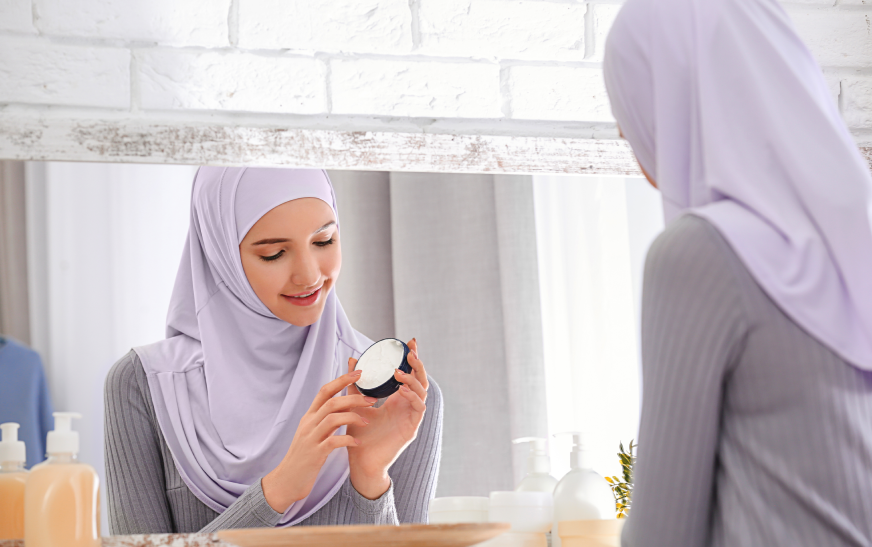
Muslims who want halal beauty routines must be aware of certain ingredients that are non-permissible or potentially haram. Skincare, makeup, and personal care products often contain hidden animal derivatives, alcohol, or other substances that conflict with Islamic dietary and ethical principles.
This guide outlines common ingredients to avoid and provides tips for choosing halal-compliant beauty products.
1. Why Ingredient Awareness Matters
- Spiritual Compliance: Using products free from haram components aligns with Islamic principles
- Health Safety: Avoiding harmful additives protects skin and overall health
- Ethical Considerations: Many non-halal ingredients are tested on animals or sourced unethically
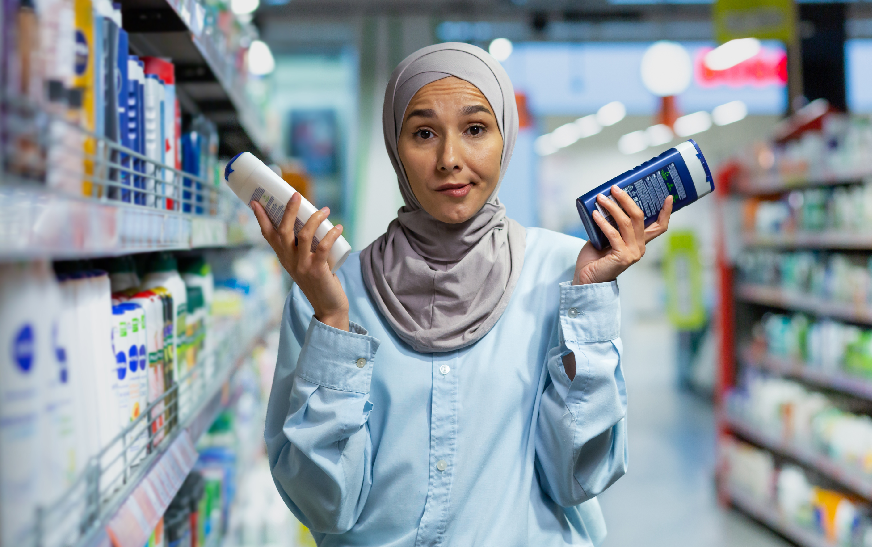
Tip: Even everyday products like soaps, lotions, and shampoos may contain haram ingredients, so reading labels is crucial.
2. Animal-Derived Ingredients to Avoid
Many beauty products contain animal by-products that may be non-halal:
| Ingredient | Source | Concern |
|---|---|---|
| Gelatin | Pig or non-halal cow | Used in capsules, powders, and some cosmetics |
| Collagen | Animal skin or bones | Found in anti-aging creams and serums |
| Lanolin | Sheep wool | May not be halal-certified |
| Stearic Acid | Animal fat | Used as thickener in creams and lotions |
| Carmine | Insects | Red pigment in lipsticks and blush |
Tip: Look for plant-based or synthetic alternatives to ensure halal compliance.
3. Alcohol in Cosmetics
- Ethanol or SD Alcohol: Common in toners, perfumes, and hand sanitizers
- Isopropyl Alcohol: Used as solvent in nail polish or cleansers
Halal Concern:
- Alcohol derived from haram sources (e.g., fermented grains or sugarcane) is non-permissible
- Some alcohols may be acceptable if denatured or synthetic, but certification is needed
Tip: Choose alcohol-free or halal-certified alcohol-containing products to avoid doubts.
4. Hidden Chemical Additives
- Parabens: Preservatives used in creams and makeup
- Sulfates: Cleansing agents in shampoos and soaps
- Synthetic Dyes & Fragrances: May contain animal-derived components
Tip: Opt for clean-label, natural, or halal-certified formulations to avoid hidden haram ingredients.
5. Halal-Friendly Alternatives
- Plant-Based Ingredients: Aloe vera, coconut oil, olive oil, shea butter
- Mineral-Based Makeup: Iron oxides, mica, titanium dioxide
- Natural Preservatives: Vitamin E, rosemary extract, grapefruit seed extract
- Alcohol-Free Formulas: Especially in toners, hand sanitizers, and perfumes
Tip: Halal-certified brands often provide a full ingredient breakdown, making it easier to choose safe products.
6. Tips for Selecting Halal Beauty Products
- Check Certification: Look for IFANCA, JAKIM, HFA, or equivalent halal logos
- Read Labels Carefully: Avoid ambiguous terms like “natural flavors” or “animal-derived”
- Research the Brand: Trusted brands are transparent about ingredient sourcing
- Patch-Test New Products: Even halal products may cause reactions in sensitive skin
- Simplify Your Routine: Fewer ingredients reduce the risk of haram components
Tip: Transitioning gradually to halal skincare and cosmetics helps maintain routine without disruption.
7. Benefits of Halal Beauty Products
- Faith-Aligned: Fully compliant with Islamic dietary and ethical laws
- Gentle on Skin: Avoids harsh chemicals and animal by-products
- Ethical & Cruelty-Free: Many halal brands follow ethical sourcing practices
- Holistic Wellness: Enhances confidence while respecting spiritual values
Tip: Consistent use of halal beauty products combines ethical living with healthy skincare.
8. Final Thoughts
Halal beauty is more than a trend—it’s a faith-conscious approach to self-care. By avoiding non-halal ingredients like animal derivatives, alcohol, and certain chemicals, and selecting halal-certified plant-based products, Muslims can maintain healthy skin, ethical practices, and spiritual compliance.
Reading labels carefully, choosing trusted brands, and preferring natural or plant-based alternatives ensures that your skincare and beauty routines are safe, effective, and fully halal.