How to Use Kalonji for Immunity

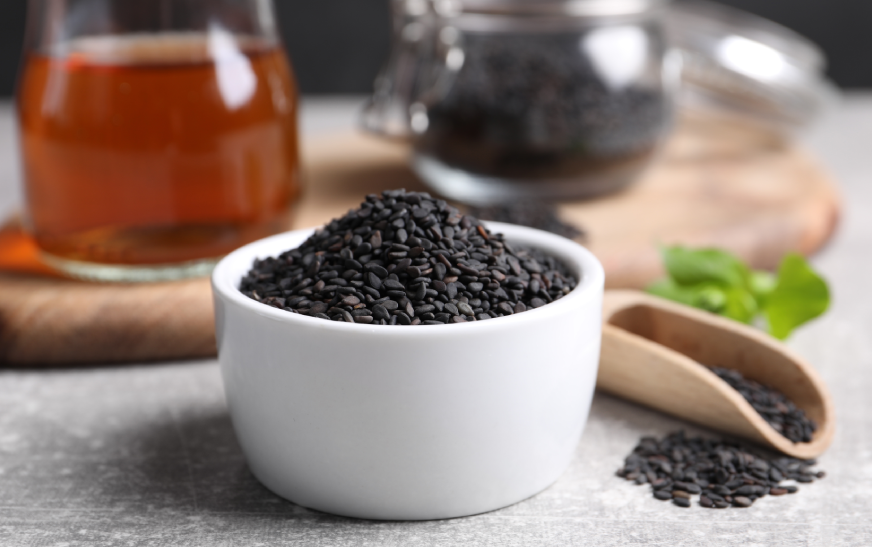
Black seed, or Kalonji (Nigella Sativa), is celebrated in Islamic tradition and modern research for its immune-boosting properties. With compounds like thymoquinone, antioxidants, and essential fatty acids, Kalonji can help support the body’s natural defenses. This guide explains practical ways to use black seed for immunity safely and effectively. 1.
Black Seed: Cure for Every Disease?
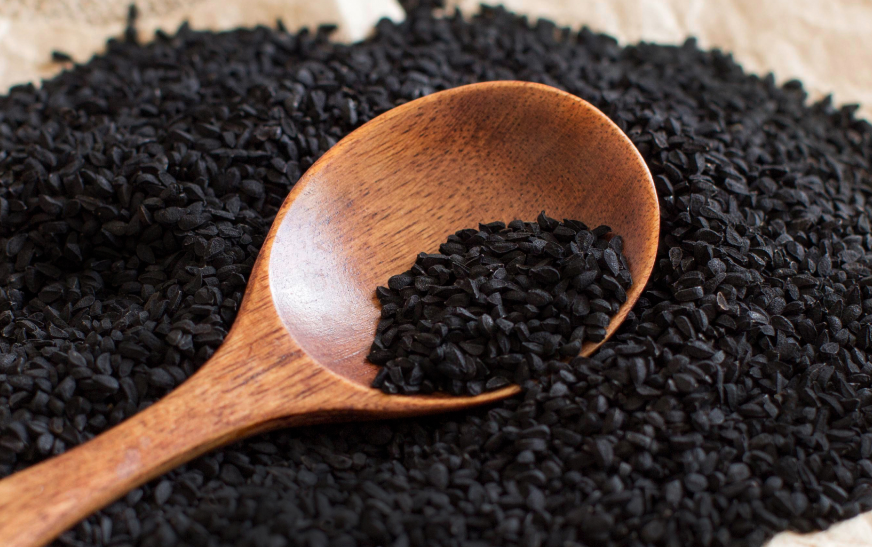
Black seed, also known as Kalonji or Nigella Sativa, has been revered for centuries in traditional medicine and Islamic teachings. Prophet Muhammad ﷺ referred to it as a remedy for “every disease except death,” highlighting its spiritual and medicinal significance. Modern science has also investigated its numerous health benefits. This
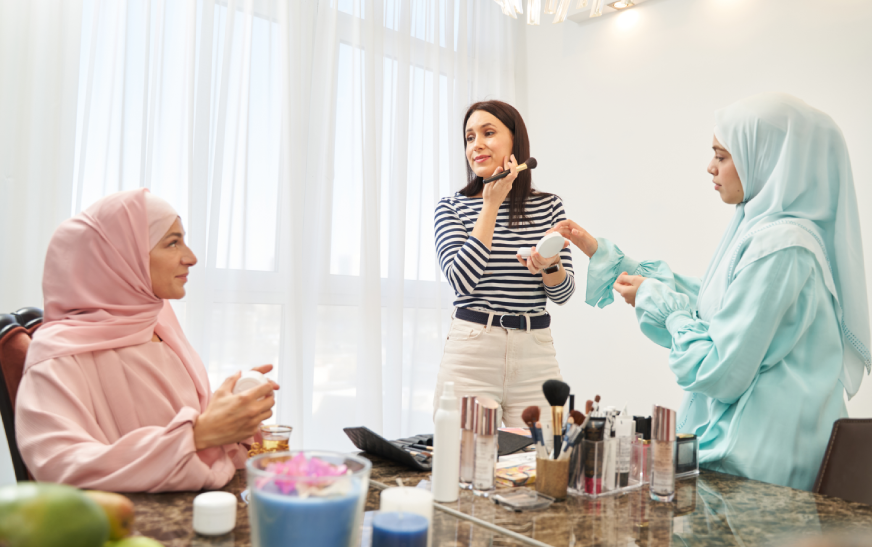
Best Halal Personal Care Products Guide
Maintaining halal personal care routines is essential for Muslims who want to ensure that their daily grooming, skincare, and hygiene products comply with Islamic principles. Halal-certified products avoid haram ingredients such as pork derivatives, non-halal animal by-products, and alcohol from forbidden sources. This guide highlights top halal personal care products
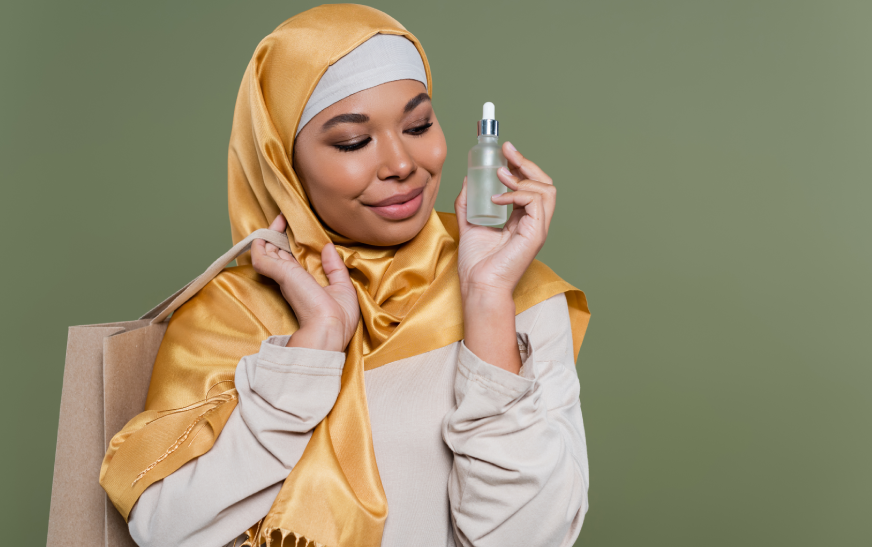
Alcohol in Cosmetics: Is It Halal?
For Muslims, understanding the permissibility of ingredients in cosmetics is essential. Alcohol, commonly found in skincare, perfumes, and personal care products, often raises questions about halal compliance. This guide explains types of alcohol in cosmetics, halal considerations, and safe alternatives. 1. Why Alcohol in Cosmetics Matters Tip: Not all alcohols
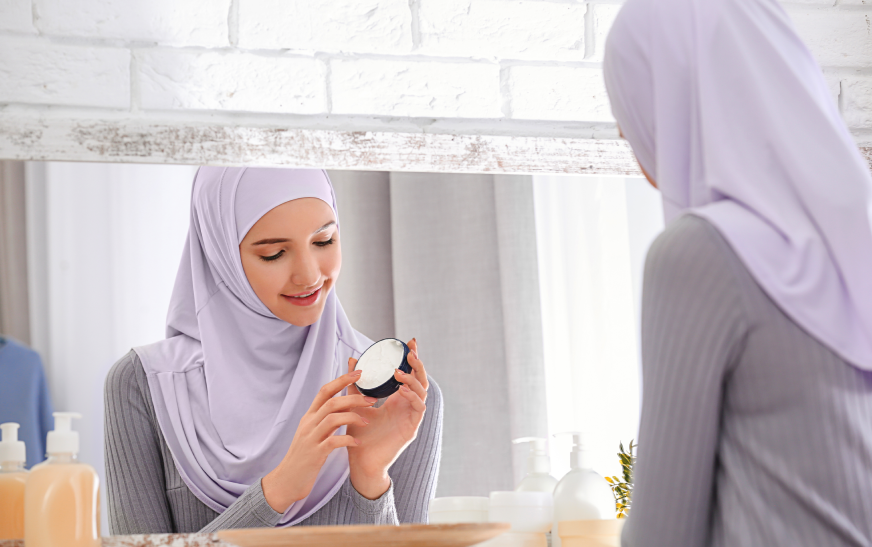
Halal Beauty: Ingredients to Avoid
Muslims who want halal beauty routines must be aware of certain ingredients that are non-permissible or potentially haram. Skincare, makeup, and personal care products often contain hidden animal derivatives, alcohol, or other substances that conflict with Islamic dietary and ethical principles. This guide outlines common ingredients to avoid and provides
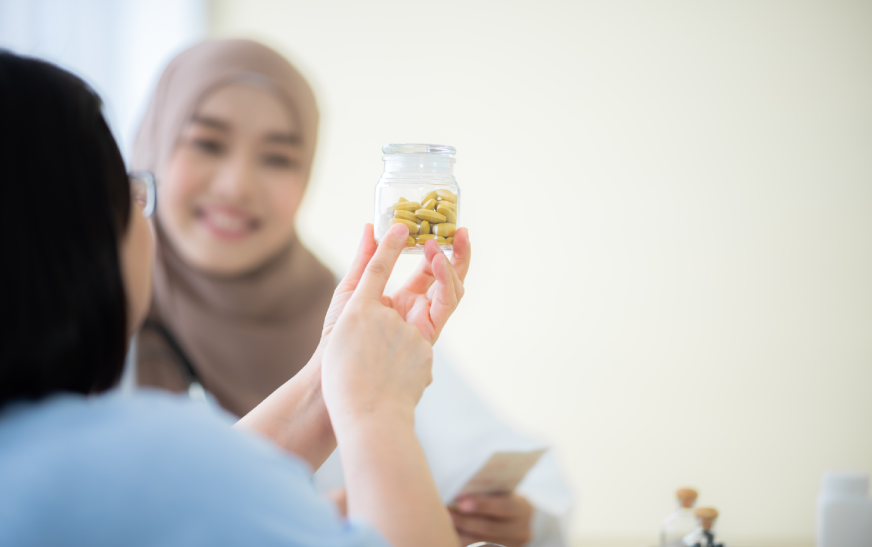
How to Choose Halal Certified Skincare
For Muslims, choosing halal-certified skincare products ensures that beauty routines comply with Islamic dietary and ethical principles. Halal skincare is free from non-permissible ingredients like alcohol derived from haram sources, porcine derivatives, and non-halal animal by-products, while being safe, ethical, and effective for all skin types. This guide explains how
Halal Alternatives to Common Capsules
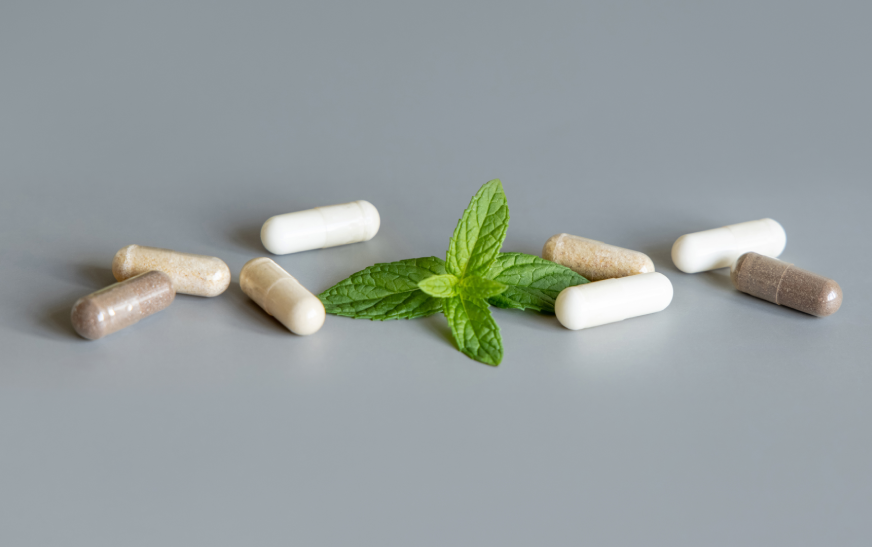
For Muslims, ensuring that supplements, vitamins, and medications are halal-compliant is essential. Many capsules and tablets contain gelatin or other non-halal ingredients, making it crucial to find halal alternatives. This guide explores practical options for replacing common capsules with halal-certified, gelatin-free solutions. 1. Why Halal Alternatives Matter Many standard capsules
How to Identify Non-Halal Ingredients in Medicines
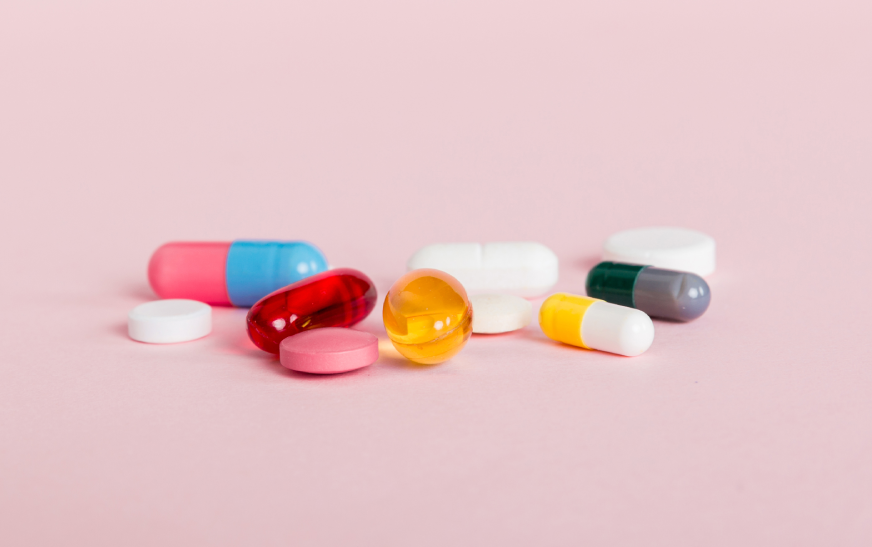
For Muslims, maintaining halal dietary compliance is not limited to food—it extends to medications, supplements, and vitamins. Many capsules and tablets contain hidden non-halal ingredients, making it essential to know how to identify them. This guide will help you recognize non-halal ingredients and make safe, faith-compliant choices. 1. Why It
Plant-Based Capsules vs Animal Gelatin
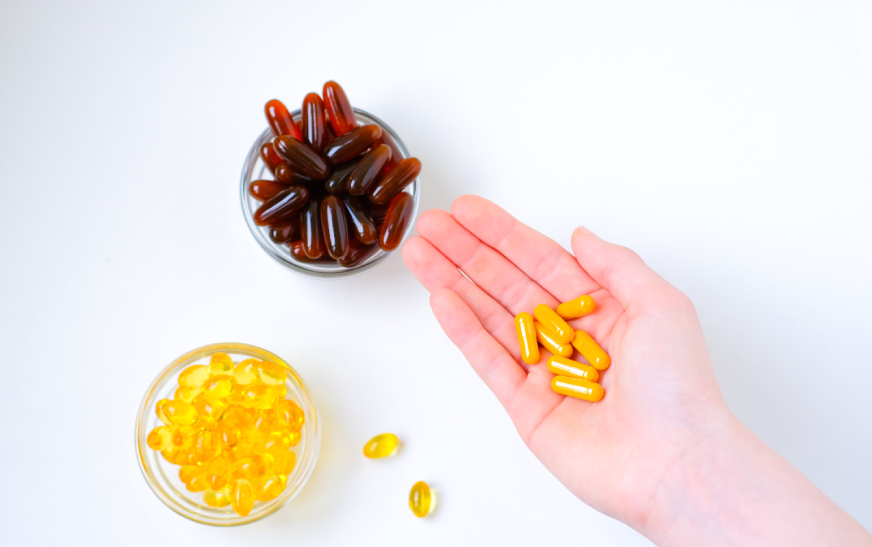
When it comes to supplements and medications, the type of capsule used matters—especially for Muslims seeking halal-compliant options. Capsules are typically made from either animal-derived gelatin or plant-based alternatives. Understanding the differences helps you make informed choices for your health and faith. 1. What Are Animal Gelatin Capsules? Concerns for
Why Gelatin-Free Capsules Matter for Muslims
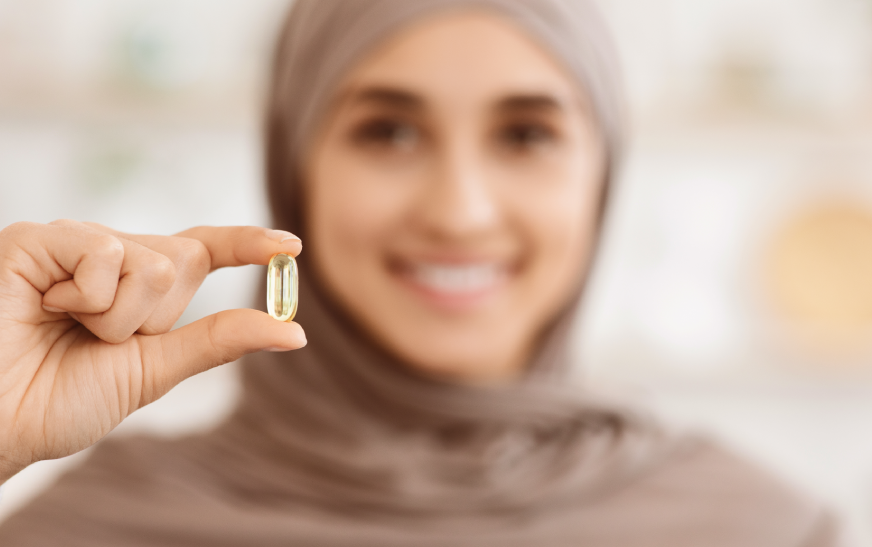
For Muslims, maintaining halal dietary compliance extends beyond food to medications, supplements, and vitamins. Many capsules are made from animal gelatin, which may come from pork or non-halal sources. Gelatin-free capsules provide a halal-compliant alternative, ensuring both health and spiritual adherence. This guide explains why gelatin-free capsules matter, their benefits,
About Me
Hello ! I am Richard Y. Lim
Upon migration to Medina, the direction of the Qibla continued to be Jerusalem, although it was then physically impossible for one to also face the Ka’ba, as Medina is north of Makkah.