
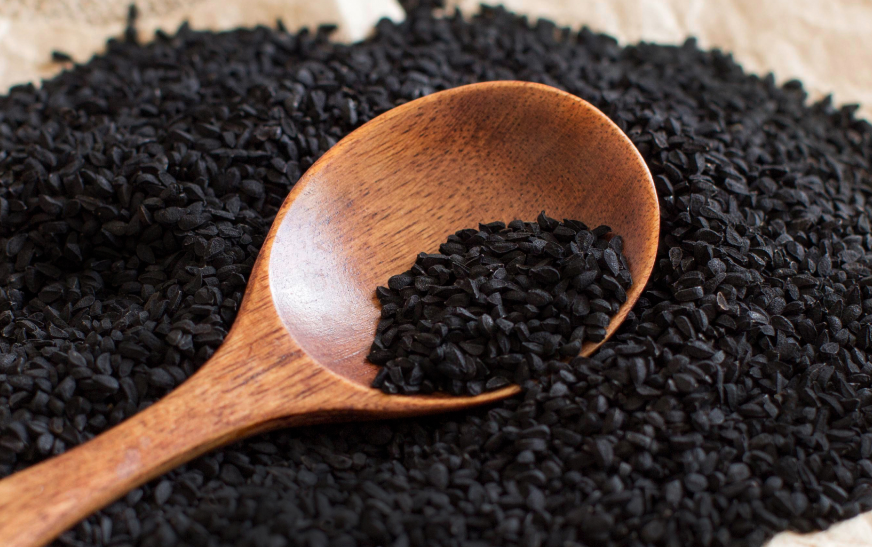
Black seed, also known as Kalonji or Nigella Sativa, has been revered for centuries in traditional medicine and Islamic teachings. Prophet Muhammad ﷺ referred to it as a remedy for “every disease except death,” highlighting its spiritual and medicinal significance. Modern science has also investigated its numerous health benefits. This guide explores whether black seed truly lives up to its reputation and how it can support overall wellness and immunity.
1. What Is Black Seed (Kalonji)?
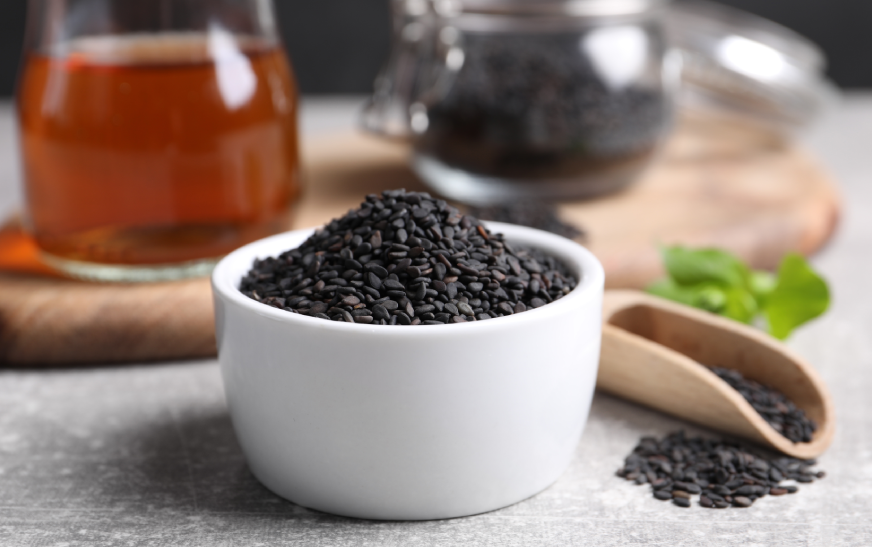
- Small black seeds with a slightly bitter, peppery taste
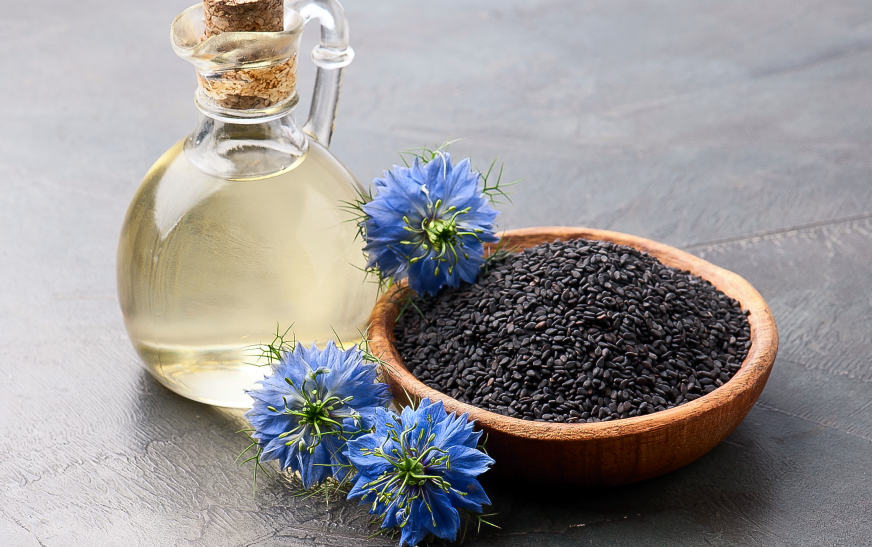
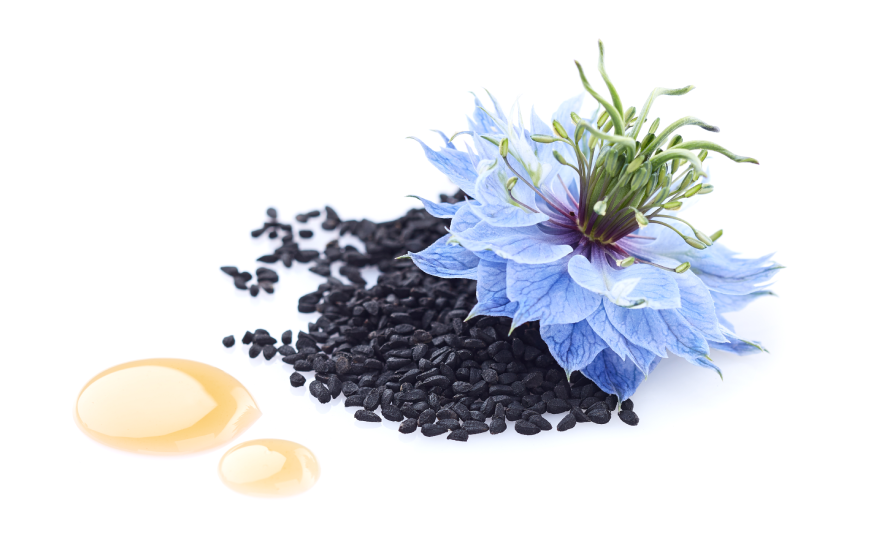
- Derived from the Nigella Sativa plant, native to Southwest Asia
- Available as whole seeds, powders, or cold-pressed oil
- Rich in thymoquinone, antioxidants, and essential fatty acids
Tip: Look for high-quality, cold-pressed black seed oil for maximum benefits.
2. Traditional Uses of Black Seed
- Boosting immunity and fighting infections
- Supporting digestion and liver health
- Reducing inflammation and respiratory issues
- Used in traditional remedies for skin and hair care
Tip: Black seed has a long history in Islamic medicine and Ayurveda, making it both culturally and spiritually significant.
3. Black Seed as a “Cure for Every Disease”
While the hadith refers to black seed as a remedy for many ailments, it’s important to understand the context:
- It is not a miracle cure for all illnesses
- Acts as a supportive supplement rather than a replacement for medical treatment
- Helps in preventive health by strengthening immunity and reducing inflammation
Tip: Incorporate black seed into your diet for wellness, but consult healthcare providers for chronic conditions.
4. Scientific Benefits of Black Seed
Modern research confirms several benefits:
- Immune Support: Enhances white blood cell activity and boosts the body’s natural defenses
- Anti-Inflammatory: Reduces chronic inflammation linked to heart disease and arthritis
- Respiratory Health: Supports lungs, eases asthma symptoms, and improves overall breathing
- Blood Sugar Regulation: May help control blood sugar and support metabolic health
- Antioxidant Protection: Protects cells from oxidative stress and free radicals
Tip: Daily use of black seed in moderation may contribute to overall wellness.
5. How to Consume Black Seed
- Whole Seeds: Add to bread, yogurt, or salads
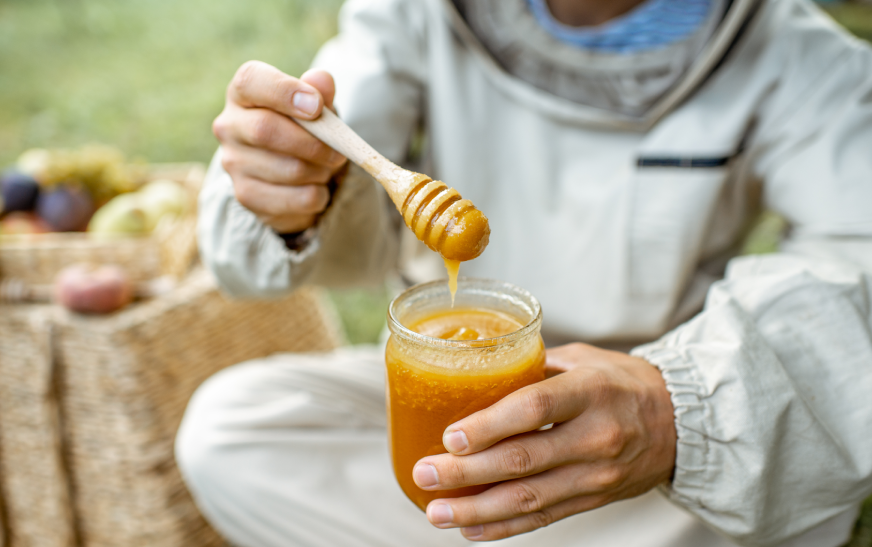
- Powder: Mix with honey or water for easier consumption
- Cold-Pressed Oil: Take 1 teaspoon daily or use in cooking
- Capsules: Convenient option for daily supplementation
Tip: Start with small doses and gradually increase to assess tolerance.
6. Safety Considerations
- Generally safe for healthy adults when taken in moderation
- Avoid excessive consumption as it may cause mild digestive discomfort
- Pregnant or breastfeeding women should consult a doctor before use
- Always choose high-quality, pure black seed oil to avoid contamination
Tip: Quality matters—cheap or adulterated oils may reduce effectiveness or cause side effects.
7. Complementing Black Seed with a Healthy Lifestyle
- Pair black seed with a balanced diet, hydration, and exercise
- Follow Sunnah-based wellness habits for optimal health
- Use as part of a holistic approach to immunity and well-being
Tip: Black seed works best as a supportive supplement rather than a standalone cure.
8. Final Thoughts
Black seed (Kalonji) is a powerful natural remedy with a long history in Islamic tradition and scientific support for its health benefits. While it is not a literal cure for every disease, its antioxidant, anti-inflammatory, and immune-boosting properties make it a valuable addition to daily wellness routines.
By choosing high-quality seeds or oil, consuming them regularly, and combining them with a healthy lifestyle, Muslims can harness the spiritual and medicinal wisdom of black seed while supporting overall health and immunity.